Yes, feeding wild deer is not automatically illegal throughout Texas, but whether you may legally feed deer depends heavily on where you are and what local rules apply. Texas Parks and Wildlife Department (TPWD) regulates wildlife and hunting, while cities, counties, homeowners’ associations, and other property managers may impose additional restrictions. Feeding deer can also create legal problems when it is connected to hunting, especially on public land.
Is There a Statewide Ban on Feeding Deer?
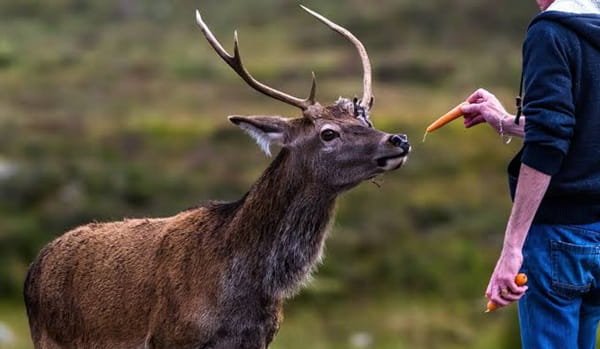
Texas does not have a blanket statewide prohibition on feeding wild deer. In fact, TPWD recognizes supplemental feeding as a wildlife-management practice on private property under appropriate circumstances. However, TPWD distinguishes supplemental feeding from baiting. Bait includes substances such as grain, minerals, salt, or other feed intentionally or unintentionally placed to lure wildlife.
That distinction is important because an activity that is lawful as wildlife management may be regulated differently when it is used to attract animals for hunting.
Can You Feed Deer on Private Property?
Generally, feeding deer on private property is not prohibited by a universal Texas rule. Landowners and wildlife managers may use supplemental feeding programs, particularly when natural forage is inadequate. TPWD notes that supplemental feeding may be used during periods of environmental stress, although it should not replace suitable native habitat.
Feeding can nevertheless be restricted by local law or property rules. Before placing feeders in a residential neighborhood or subdivision, property owners should check applicable city ordinances, county rules, and homeowners’ association restrictions.
Can Cities Ban Deer Feeding?
Yes. Local governments can impose restrictions on feeding wildlife in areas where deer create safety, property, or environmental concerns. TPWD has reported that several Texas communities have adopted ordinances prohibiting or restricting deer feeding.
Local restrictions can be especially important in suburban areas. Because these rules vary by location, the fact that feeding deer is generally permitted under state law does not necessarily mean it is permitted at a particular address.
Is Feeding Deer Legal on Public Land?
Public land is subject to additional restrictions. TPWD states that baiting wildlife is unlawful on public hunting lands unless the department specifically authorizes it for a particular unit, activity, and time period. Therefore, a person should not assume that a deer feeder or food placed on private property can also be used on nearby public hunting land.
Public parks and wildlife areas can have their own rules as well. Visitors should review the regulations posted for the specific property before feeding wildlife.
Does Feeding Deer Count as Baiting?
Not necessarily. Texas defines bait broadly as something that intentionally or unintentionally lures wildlife, including grain, minerals, salt, and other feed. At the same time, TPWD recognizes a difference between supplemental nutrition and baiting.
The legal consequences depend on the purpose, location, species, and surrounding circumstances.
Can You Hunt Deer Over Feed in Texas?
Texas generally permits baiting for game animals on private property, subject to applicable regulations. TPWD’s current hunting rules state that baiting game animals is legal, while baiting is unlawful on most public property. Separate restrictions apply to certain species and locations.
This means feeding deer and hunting deer over feed are not necessarily treated as the same activity. A landowner may operate a supplemental feeding program, but a hunter still must comply with season dates, licenses, bag limits, county-specific rules, and all applicable baiting restrictions.
Why Does Texas Regulate Deer Feeding?
TPWD identifies several potential problems with excessive deer feeding. Concentrating deer can increase the risk of disease transmission, encourage deer to become accustomed to people, damage vegetation, and increase the possibility of deer-vehicle collisions.
Supplemental feeding also does not replace proper habitat management. TPWD advises that deer populations should remain within the carrying capacity of their native habitat.
What Should You Check Before Feeding Deer?
Before putting out food for wild deer, check four things: state wildlife regulations, local ordinances, property or HOA rules, and any special regulations applying to the land. If the property is public, assume additional restrictions may apply unless TPWD expressly authorizes feeding or baiting.
Conclusion
Feeding wild deer is not categorically illegal in Texas. On private property, supplemental feeding can be a lawful wildlife-management practice, but local ordinances and property rules may prohibit or restrict it. Public hunting lands have stricter baiting rules, and feeding intended to attract deer for hunting must comply with Texas hunting regulations.
Because rules can differ by location and purpose, checking the current TPWD regulations and local requirements before feeding deer is the safest approach. This article provides general legal information and is not a substitute for advice about a specific property or situation.