Yes, ceramic tint is legal in Texas, but only if it follows the same shade (VLT%) rules as any other type of window tint. Texas law does not restrict tint based on the material, so ceramic film is allowed for all windows of a vehicle as long as it does not go darker than the legal visibility limits and does not violate windshield placement rules.
This means ceramic tint, carbon tint, metallic tint, dyed tint, and hybrid tint are all legal options in Texas. What matters is how dark the tint is and where it’s applied. Ceramic tint is especially popular because it blocks heat and UV rays more effectively than cheaper tint, and using ceramic tint does not get you a higher legal limit or special exemption.
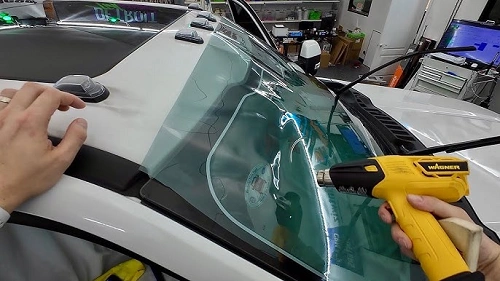
What Makes Ceramic Tint Legal?
Texas tint laws focus on Visible Light Transmission (VLT%), which measures how much light passes through the glass. Ceramic tint doesn’t change the rules simply because it blocks heat better. As long as the VLT meets Texas requirements, ceramic tint is fully legal.
Texas Legal Tint Limits
Here are the visibility limits Texas requires in 2025:
| Window | Legal Tint |
| Front Windshield | Above the manufacturer’s AS-1 line only — tint must be non-reflective |
| Front Side Windows | Must allow 25% or more light through |
| Back Side Windows | Any darkness allowed |
| Rear Window | Any darkness allowed (must have side mirrors if heavily tinted) |
Windshield Tint Clarifications
- You may apply clear ceramic film below the AS-1 line only if it is invisible and does not reduce VLT below factory level.
- Dark tint on the windshield below the AS-1 line is illegal.
Why People Choose Ceramic Tint in Texas
Texas heat makes ceramic tint extremely popular. Unlike dyed tint, ceramic film:
- Blocks up to 80–98% of infrared heat
- Doesn’t interfere with phone/GPS signals like metal films might
- Reduces UV damage to skin and car interiors
- Stays cooler to the touch and doesn’t fade to purple
Because ceramic blocks heat without being very dark, many drivers choose legal 30%–35% ceramic tint instead of darker, illegal 5% tint.
When Ceramic Tint Becomes Illegal
Ceramic tint becomes illegal if it:
- Goes darker than 25% on the front doors
- Touches the windshield below the AS-1 line without being clear
- Is reflective like a mirror (mirror-look is banned)
- Makes the glass too dark for nighttime visibility if the sticker is missing
Reflective or Mirrored Tint is Illegal
Ceramic itself isn’t reflective, but some metallic or hybrid films are. Texas bans mirrored tints that reflect more than 25% light.
Do You Need a Tint Sticker in Texas?
Yes. Texas requires a tint compliance sticker placed between the film and the glass on the driver-side window. Without the sticker, police may assume your tint is illegal even if it’s legal.
Medical Exemptions for Dark Tint
Texas allows people with certain medical conditions to apply for a medical tint exemption. Conditions may include:
- Lupus
- Photosensitivity disorders
- Melanoma risk
These drivers can legally have darker tint with a state-issued exemption certificate that must be kept in the vehicle.
Penalties for Illegal Ceramic Tint in Texas
If your ceramic tint is too dark or applied illegally, penalties include:
| Violation | Consequence |
| First illegal tint offense | Usually a warning or fix-it ticket |
| Repeat offense | Class C Misdemeanor + fine up to $275 |
| Removing sticker or deceptive tint installation | Possible inspection failure |
Will Ceramic Tint Fail Texas Inspection?
It can fail inspection if:
- Front windows are darker than 25%
- Windshield tint is placed too low
- The tint is reflective beyond legal limits
- Tint sticker is missing
Because Texas removed safety inspections in 2025 in many counties, you may not get checked unless you live in a county that still does inspections. Police can still stop and ticket you anytime, regardless of inspection status.
Final Note
Yes, ceramic tint is legal in Texas. You can use it on all windows, including the windshield (above the AS-1 line), as long as it follows Texas tint visibility and reflectivity limits.