If you’re curious about exotic pets and wondering what’s legal in Texas, the good news is that this state allows more unusual animals than almost anywhere else in the country. Texas has a reputation for being one of the most exotic-pet-friendly states, but that doesn’t mean everything is allowed. Some species are legal with no permit, others require local approval, and a few are banned at both state and federal levels. The rules can get confusing because Texas uses a combination of state law, county rules, and city ordinances to decide which animals residents can own. Still, Texas allows a surprisingly wide range of animals — from reptiles to small mammals to certain wild species — as long as you follow the regulations.
Here’s a well-organized list of exotic pets that are generally legal in Texas, with notes on when permits or special rules apply.
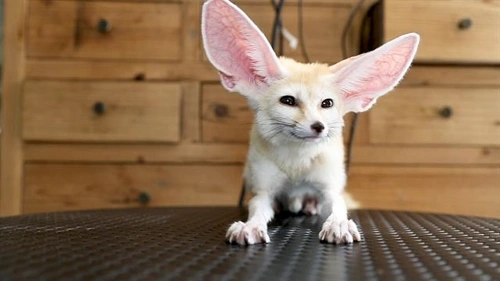
1. Non-Native Foxes (Legal in Some Counties)
Native foxes (red fox, gray fox) are illegal, but some non-native fox species may be legal depending on your county. These often include:
-
Fennec foxes
-
Pale foxes
-
Bat-eared foxes
-
Cape foxes
These species are considered exotic but not “dangerous wild animals,” so Texas allows counties to approve them. Some counties require permits and enclosure inspections.
2. Hybrid Cats (Certain Types Allowed)
Texas allows several hybrid feline species, including:
-
Savannah cats
-
Bengal cats
-
Chausies
-
Safari cats
However, ownership rules sometimes depend on generation (F1, F2, etc.). Most mid-generation hybrids are legal statewide, but always double-check your city ordinance.
3. Small Exotic Mammals
Texas is very flexible with small mammals that are not considered dangerous. Legal species include:
-
Hedgehogs
-
Sugar gliders
-
Prairie dogs
-
Degus
-
Chinchillas
-
Ferrets (legal at state level)
-
Ground squirrels
-
Short-tailed opossums
These animals usually don’t require permits and are allowed throughout most of Texas.
4. Exotic Rodents
Texas allows a wide list of unusual rodents, including:
-
Patagonian maras
-
African dormice
-
Jerboas (rare but legal)
-
Spiny mice
-
Gambian pouched rats (legal in Texas but federally regulated — check rules)
As long as the species is not federally restricted, most exotic rodents are allowed.
5. Reptiles and Amphibians (Large List)
Texas allows many species of reptiles, except venomous snakes that require special permits.
Legal Reptiles (Common Examples):
-
Bearded dragons
-
Leopard geckos
-
Blue-tongued skinks
-
Tegus (allowed in many counties)
-
Iguanas
-
Ball pythons
-
Boa constrictors
-
Corn snakes and king snakes
-
Tortoises (Russian, sulcata, red-footed)
Venomous reptiles
Legal only with a Texas Parks & Wildlife (TPWD) permit. This includes cobras, vipers, rattlesnakes kept in captivity, etc.
Amphibians such as axolotls, tree frogs, and non-native toads are also typically legal.
6. Many Species of Birds
Texas is very relaxed regarding exotic birds. Legal pets include:
-
Macaws
-
Cockatoos
-
African grey parrots
-
Conures
-
Quaker parrots (monk parakeets) — illegal in some states but legal in Texas
-
Pigeons and doves (including rare breeds)
-
Non-native raptors (permits required)
Native migratory birds are protected by federal law and are not legal without a permit.
7. Primates (Legal With Requirements)
Texas is one of the few states that still allows private ownership of some primates. Legal examples include:
-
Capuchin monkeys
-
Marmosets
-
Tamarins
-
Spider monkeys (varies by county)
Primates require strict caregiving standards and may require county permits, liability insurance, and enclosure inspections.
8. Exotic Hoofstock & Ranch Animals
Texas ranches commonly keep non-native hoofstock, which are legal under exotic-game laws:
-
Axis deer
-
Fallow deer
-
Sika deer
-
Blackbuck antelope
-
Addax
-
Eland
-
Oryx
These animals are widely bred in Texas, mainly for ranches and hunting preserves.
9. Some Wild Cats (With Strict Permits)
Certain wild cats are legal but regulated as “dangerous wild animals.” They require permits, secure enclosures, and inspection.
Examples include:
-
Servals
-
Caracals
-
Bobcats (native but legal with proper permits)
-
Lynx
Lions, tigers, leopards, and cougars are technically legal with heavy regulation, but many counties prohibit them.
10. Other Exotic Animals Legal With Permits
-
Kinkajous
-
Coatis
-
Wallabies
-
Mini kangaroos
-
Genets
-
Binturongs (varies by county)
-
Sloths (in some counties)
These species fall under exotic-mammal categories and may require permits or special vet documentation.
Final Word
Texas has one of the broadest exotic-pet laws in the country, but “legal” doesn’t mean “easy.” Many species require permits, secure housing, veterinary access, and compliance with county or city rules. Native wildlife is generally off-limits, but non-native exotic animals can be legal as long as you follow local regulations.