Most dog bites happen close to home. A neighbor’s dog slips through a gap in the fence, a child reaches over to pet a dog at a family cookout, or a mail carrier walks up a driveway where the dog has always seemed friendly. In small towns and rural counties where dogs often roam yards without a leash, these incidents are part of daily life, and they tend to be followed by awkward conversations between people who know each other well.
Georgia handles dog bite claims under its own particular statute, and the rules are less forgiving to injured people than many assume. Whether a claim succeeds often turns on what the owner knew about the dog or on a local ordinance that hardly anyone reads until after the bite.
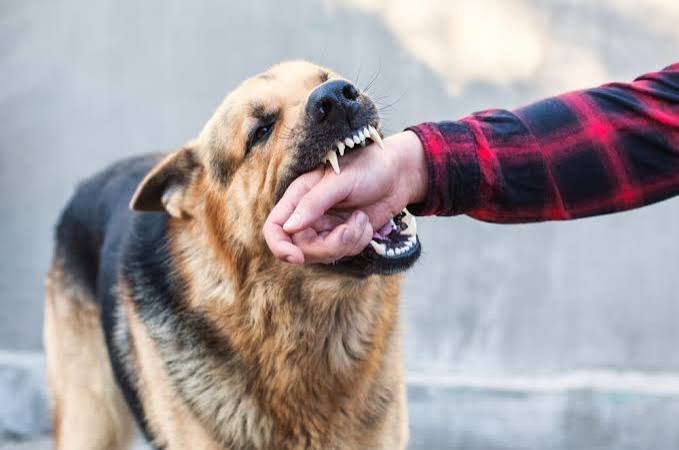
What Georgia Law Actually Requires
Some states make dog owners strictly liable for nearly any bite. Georgia does not. The state’s statute holds an owner or keeper responsible when the dog is vicious or dangerous and the owner, through careless management or by letting the animal run at liberty, allows it to injure someone. In other words, the injured person generally has to show two things: that the dog had a dangerous tendency, and that the owner failed to control it.
Proving the first part used to depend almost entirely on history. If the dog had bitten or attacked before, or had a known habit of lunging at visitors, the owner was considered to be on notice. That is where the common phrase “one free bite” comes from, even though it oversimplifies how Georgia courts look at these cases. A dog that had never bitten anyone, but had repeatedly chased and snapped at passing joggers, could still put its owner on notice.
Attorneys who handle these claims, including personal injury attorneys in douglas ga and other parts of the state, usually start by building a record of the dog’s past behavior. Neighbors are often willing to talk about the dog that charged at their kids last summer. Animal control complaints, prior reports to the county and even social media posts by the owner can all fill in the picture.
The Leash Ordinance Shortcut
As it turns out, the most useful piece of evidence in many Georgia dog bite cases has nothing to do with the dog’s history at all. The statute allows the injured person to satisfy the “dangerous propensity” requirement by showing that the dog was not leashed or restrained as required by a local ordinance at the time of the attack. If a county or city requires dogs to be on a leash or under control off the owner’s property, and the dog bit someone while running loose in violation of that rule, the owner’s prior knowledge becomes far less important.
This is why the details of local law matter so much. Ordinances vary widely between counties and cities, and some rural areas have limited leash rules or none at all outside town limits. A bite that happens on one side of a county line can be easier to pursue than an identical bite a few miles away. Copies of the ordinance in effect on the date of the incident should be pulled early, since codes are revised and older versions can be hard to locate later.
Bites That Happen on the Owner’s Property
Leash ordinances usually apply to dogs off the owner’s property. When the bite happens in the owner’s own yard or home, the analysis tends to fall back on what the owner knew about the dog and how carefully the animal was managed. Guests who were invited inside are in a different position than someone who wandered onto the property uninvited. Delivery drivers, utility workers and other people with a legitimate reason to approach the house sit somewhere in between, and courts weigh those situations case by case.
Defenses Owners and Insurers Raise
Provocation is the defense that comes up most often. Georgia law does not allow recovery when the injured person provoked the dog, and insurers sometimes stretch that concept to cover almost any interaction. A child who tugged at a dog’s ear, a visitor who stepped between a dog and its food bowl, or a person who tried to separate two fighting dogs may all face that argument. Whether the conduct was truly provocation, or just the ordinary behavior people expect to be safe around a pet, becomes a central question.
Comparative fault is the other tool. Under Georgia’s modified comparative negligence rule, a person found 50 percent or more responsible for their own injury cannot recover, and smaller percentages reduce the award. Ignoring a posted “beware of dog” sign or climbing a fence into a yard can push a claim toward that line.
Now, don’t get me started on the assumption that a bite claim means suing a neighbor personally. In practice, most dog bite claims are paid by the owner’s homeowners or renters insurance policy. Some policies exclude certain breeds or any dog with a bite history, and some owners never told their carrier they had a dog at all. Those coverage questions can determine whether a claim settles cleanly or turns into a dispute between the insurer and its own policyholder.
Responsibility does not always stop with the owner. The statute also reaches a person who keeps the dog, so a relative watching the animal for the week or a boarding business may share liability depending on who had control at the time. Landlords are a harder target in Georgia. A property owner who rents to a tenant with a dog is usually not liable unless the landlord knew about the dog’s dangerous behavior and still had some real control over the situation, which courts read fairly narrowly.
Injuries, Treatment and the Evidence That Follows
Dog bites are puncture wounds, and puncture wounds carry a high risk of infection even when they look small at first. Hand bites can damage tendons and nerves that control fine movement. Facial bites, which are especially common in young children because of their height, may require plastic surgery and leave scars that change as the child grows. Medical records that document the wound on the first day, along with photographs taken throughout healing, often become the core of the damages case.
Bites should also be reported to the county health department or animal control, which in Georgia typically triggers a rabies quarantine period for the dog. That report creates an official record of the date, location and dog involved. For families in Ware County, where rural properties and loose dogs are common, the local overview at https://fhtlawyers.com/service-area/waycross-personal-injury-lawyer describes the kinds of injury claims handled in that area, including those that start with an animal attack.
Georgia generally allows two years from the date of the bite to file a personal injury lawsuit. Claims involving children follow somewhat different timing rules, but waiting rarely helps. Witnesses move, the dog may be rehomed and the owner’s insurance policy may lapse or change.
Living Next Door After a Bite
Many people hesitate to pursue a claim because the dog belongs to a friend, a relative or the family across the road. That hesitation is understandable, and it is also the reason homeowners insurance exists in the first place. A claim against the policy is usually handled by the carrier, not paid out of the neighbor’s savings, and plenty of neighbors stay on good terms through the process. The scars from a serious bite, especially on a child, last a lot longer than a few uncomfortable weeks of small talk over the fence.