David Protein faced a proposed class-action lawsuit alleging that its popular protein bars contained considerably more calories and fat than the amounts stated on their labels. However, the consumers who filed the case voluntarily dismissed it in March 2026.
The dismissal ended the lawsuit without a settlement, payment fund or ruling that David Protein had incorrectly labelled its products.
When Was the Lawsuit Filed?
The case was titled Lopez et al. v. Linus Technologies, Inc., Case No. 1:26-cv-00635. It was filed on January 23, 2026, in the U.S. District Court for the Southern District of New York.
The named plaintiffs were Daniella Lopez, David Freifeld and Crystal Paterson. The defendant was Linus Technologies, Inc., doing business as David Protein. The consumers sought to represent larger groups of purchasers under federal and state consumer-protection laws.
What Did the Consumers Allege?
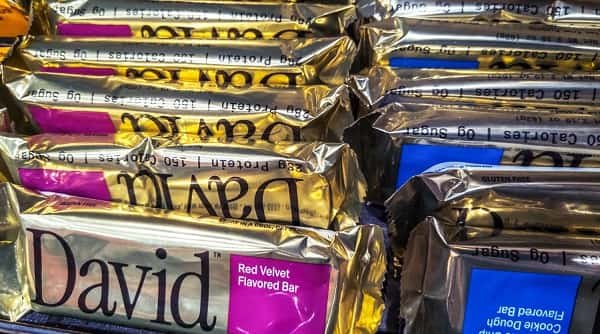
David’s Gold Collection protein bars were promoted as containing approximately 150 calories, 28 grams of protein and between 2 and 2.5 grams of fat per bar.
The complaint alleged that independent testing produced substantially different results. According to the plaintiffs, some tested bars contained approximately 78% to 83% more calories than stated on the packaging. They also claimed that the products contained between 368% and 400% more total fat than advertised.
The consumers argued that calorie and fat information was important to people purchasing David bars for weight management, fitness or high-protein diets. They claimed they would not have purchased the bars, or would have paid less, had they known about the alleged differences.
These numbers were allegations based on testing cited in the complaint. They were never accepted as accurate by a court.
How Did David Protein Respond?
David Protein strongly denied misleading consumers. Founder Peter Rahal maintained that the products contained 150 calories and that the lawsuit misunderstood how calories should be calculated for one of the bars’ main ingredients.
The dispute centred on esterified propoxylated glycerol, commonly called EPG. It is a modified plant-based ingredient designed to provide characteristics associated with fat while contributing fewer digestible calories than traditional fat.
David says EPG contributes approximately 0.7 calories per gram because most of it is not absorbed by the body. The company argued that ordinary testing or calorie calculations may count EPG like conventional fat and therefore produce misleadingly high figures.
The FDA’s GRAS inventory includes EPG for use as a fat replacer in products such as snack and meal-replacement bars. The agency’s record says it had no questions regarding the notifier’s safety conclusion. That record does not independently decide whether David’s particular nutrition labels were legally accurate.
Why Was the Lawsuit Dismissed?
On March 30, 2026, the plaintiffs filed a notice voluntarily dismissing the lawsuit without prejudice and without costs.
The public filing did not explain why they decided to withdraw the case. David Protein had not yet filed a complete substantive response to the complaint, and the court had not considered testing evidence or decided whether the labels complied with federal requirements.
A dismissal “without prejudice” means the claims were not decided on their merits. The plaintiffs could theoretically bring similar claims again, subject to filing deadlines and other legal requirements.
It does not mean David admitted wrongdoing, paid compensation or lost the lawsuit.
Is There a David Protein Settlement Claim?
No. There is currently no David Protein Bars settlement or consumer claim form.
The case ended through voluntary dismissal rather than a negotiated class-action settlement. There is no:
- Settlement fund
- Approved payment amount
- Claims administrator
- Consumer filing deadline
- Certified class of David Protein customers
Websites inviting consumers to submit claims should not describe the withdrawn case as an approved settlement.
Separate EPG Antitrust Lawsuit
David Protein is also involved in a separate lawsuit concerning its acquisition of Epogee, the producer of EPG. Competing food businesses alleged that the acquisition restricted their access to the ingredient.
That antitrust dispute is legally separate from the dismissed consumer nutrition-labelling case and should not be treated as proof that David’s calorie statements were false.
Current Status
As of August 3, 2026, the David Protein calorie and fat class action is closed following the plaintiffs’ voluntary dismissal.
No court found that David bars contained more calories or fat than advertised. At the same time, the dismissal did not produce a court ruling confirming that every challenged label was accurate. The central scientific and regulatory disagreement was left unresolved.
This article provides general legal and consumer information. Allegations in a complaint are not proven facts, and a voluntary dismissal is not the same as a judgment in favour of either side.