Yes, you can generally file a car accident insurance claim without a police report. A police report is useful evidence, but it is not automatically required for every insurance claim. Your insurer can investigate the accident using photographs, witness statements, vehicle damage, medical records, repair estimates and information provided by the drivers.
However, the absence of a police report may make the claim more difficult, especially when the other driver denies responsibility or gives a different version of what happened. State laws and individual insurance policies also vary. Certain accidents must be reported to law enforcement or a state motor vehicle agency even when an insurer is willing to open the claim without a police report.
File the Insurance Claim Promptly
Do not delay contacting the insurance company simply because the police did not attend the scene. Report the accident as soon as reasonably possible and explain that no police report was prepared.
You can usually start a claim by telephone, through the insurer’s website or through its mobile application. The insurer will assign an adjuster to inspect the damage, review the available evidence and determine whether the policy covers the loss. Official consumer guidance recommends reporting the crash promptly and collecting as much information as possible at the scene.
Depending on the circumstances, you may file the claim with:
- Your own insurer under collision, medical payments, personal injury protection or uninsured motorist coverage
- The other driver’s insurer when you believe the other driver caused the accident
- Both insurers, while clearly informing each company that another claim has been opened
What Evidence Can Replace a Police Report?
A police report is only one form of evidence. When no report exists, provide the insurer with as much independent documentation as possible.
Helpful evidence includes:
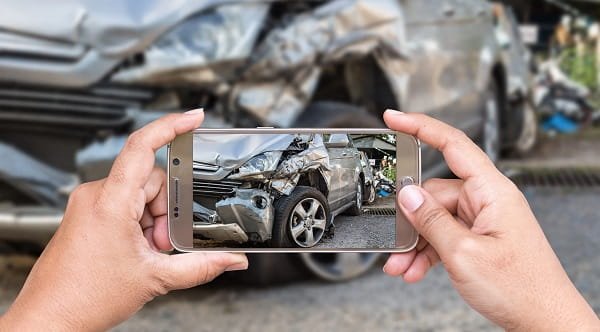
- Photographs and videos of both vehicles
- Pictures of license plates and insurance cards
- Images of traffic signals, road markings and nearby signs
- Witness names and contact information
- Dashcam or security-camera footage
- A written description or diagram of the collision
- Repair estimates and towing receipts
- Medical records and bills
- Text messages or emails from the other driver
- The accident’s date, time, location and weather conditions
The Texas Department of Insurance advises drivers to photograph the vehicles, damage, street signs and road angles, collect witness information and record details about the time, location and conditions.
Write down your account while the details remain fresh. Keep it factual and consistent. Do not exaggerate the damage or change your explanation later.
Will the Claim Be Denied Without a Police Report?
Not necessarily. The insurer should consider all available evidence rather than automatically rejecting a claim solely because the police did not prepare a report.
However, a claim against the other driver’s liability insurance may be harder to prove when there are no witnesses, photographs or independent records. The other insurer represents its policyholder and may refuse payment if it cannot determine that its driver was responsible.
Your own collision coverage may provide a more direct way to repair your vehicle, subject to your deductible and policy terms. Your insurer may then attempt to recover its payment from the other driver or insurer. Official insurance guidance notes that adjusters may inspect the damage, request information and conduct their own investigation after a claim is filed.
Does a Police Report Decide Who Was at Fault?
A police report can carry significant weight, particularly when an officer observed the scene, spoke to witnesses or issued a traffic citation. Nevertheless, the report does not always make the final legal or insurance determination.
The insurance companies may perform their own investigations. Courts may also reach a different conclusion if a lawsuit is filed. California insurance guidance explains that police, insurers and courts may separately determine comparative responsibility for an accident.
A report may also contain errors. Review it when it becomes available and ask the issuing agency about its correction or supplemental-report procedure if important information is inaccurate.
When Should You Call the Police?
Call the police immediately when:
- Someone is injured or killed
- A driver leaves the scene
- The other driver appears intoxicated
- A driver refuses to exchange information
- A vehicle is stolen or intentionally damaged
- The accident blocks traffic or creates a safety risk
- There is significant property damage
- You suspect a staged accident or insurance fraud
Police may decline to attend a minor accident, especially when no one is injured and the vehicles can be driven. Ask whether you can make a report online, at a station or through a non-emergency telephone number.
State Accident-Reporting Rules Still Apply
Filing an insurance claim and complying with state accident-reporting laws are two different things. Even without a police report, you may be legally required to submit a separate crash report to the state motor vehicle department.
For example, California requires an SR-1 report within 10 days when someone is injured or killed or when property damage exceeds $1,000. The requirement applies separately from any report made to police or an insurance company.
Other states use different deadlines and damage thresholds. Certain types of claims may have additional rules. Washington, for example, requires a phantom-vehicle accident to be reported to police within 72 hours when the claimant seeks applicable uninsured motorist benefits.
Check the rules of the state where the collision occurred and review your insurance policy’s notice requirements.
What If You Left Without Reporting the Accident?
Contact your insurer immediately and provide the information you have. You may also contact the local police department to ask whether a delayed or self-filed report is allowed.
Do not create a false account or ask another person to support an inaccurate version of events. Insurance fraud can result in denial of the claim, cancellation of coverage, repayment demands and criminal charges.
The Bottom Line
You can usually claim a car accident without a police report, but you still need evidence showing that the accident happened, what damage or injuries resulted and who may have been responsible. File the claim promptly, preserve photographs and messages, obtain witness information and follow any separate state reporting requirements. A missing police report does not automatically defeat the claim, but strong documentation becomes much more important.