A late-night monologue is usually judged by its viewers and advertisers. The Jimmy Kimmel dispute raised a different question: how far can a federal regulator go when government officials object to what a broadcaster says? Federal Communications Commission Chairman Brendan Carr became a central figure after criticizing Kimmel’s comments in 2025. The confrontation widened during 2026 when ABC’s parent company, Disney, sued the FCC over an early review of television-station licenses. The court case concerns ABC and the regulator, not a personal lawsuit filed by Kimmel, and the issues reach from First Amendment protections to the FCC’s authority over local broadcast licenses.
How the Brendan Carr–Jimmy Kimmel Dispute Started
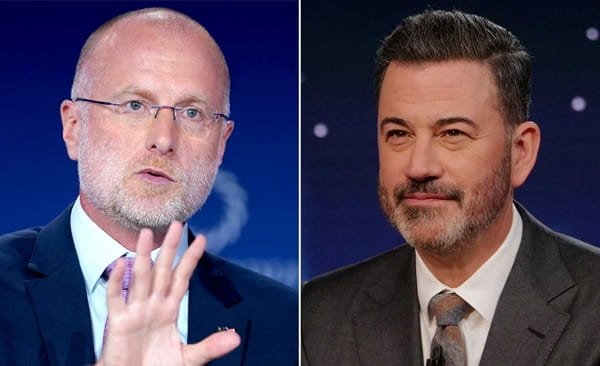
In September 2025, Kimmel made remarks about the political reaction to the killing of conservative commentator Charlie Kirk. Carr publicly criticized the comedian and suggested broadcasters could face regulatory consequences. ABC temporarily suspended Jimmy Kimmel Live! before restoring it. Supporters of the regulator argued that licensed stations have public-interest responsibilities, while critics said official pressure over a political monologue threatened editorial independence. The key distinction is that the FCC licenses individual broadcast stations using public airwaves; it does not hand out a personal comedy license to Kimmel.
Why the Dispute Returned in 2026
The disagreement did not end with Kimmel’s return to television. In 2026, the FCC moved to review the licenses of eight ABC-owned stations ahead of their usual renewal period. Those licenses otherwise would not have faced routine renewal until 2028. The early review followed renewed criticism by Trump of Kimmel and other ABC programming. Carr’s agency said its inquiries included concerns about Disney’s compliance with equal-employment obligations, while ABC said the timing and public comments showed a campaign to pressure its editorial decisions. Different explanations of the agency’s motive became a central part of the dispute.
The Equal-Time Rules and Candidate Interviews
Another flashpoint involved the FCC’s interpretation of political broadcasting requirements. The equal-opportunities rule can require broadcasters to give legally qualified candidates comparable access under certain circumstances, while bona fide news interviews can qualify for exceptions. The commission took a narrower view of some late-night and daytime programming’s eligibility for those exemptions. Kimmel said in September 2026 that concerns over potential FCC consequences led his program to post an interview with Texas Senate candidate James Talarico online rather than air it on ABC. That statement describes Kimmel’s account of the pressure, not a court finding that the FCC ordered him to remove the interview.
Disney and ABC File a First Amendment Lawsuit
On August 18, 2026, ABC and Disney filed a federal suit in Washington, D.C., challenging the accelerated license-review process. They alleged that the FCC and Carr were retaliating against protected speech and using licensing authority to influence programming. Their request sought to stop the early proceedings while the constitutional dispute was decided. The FCC denied that it was punishing Kimmel’s jokes and said it was examining legitimate regulatory issues. Government lawyers also argued that ABC had brought the case in the wrong court and had moved too soon because the agency had not made a final license decision.
What Happened at the October 6 Court Hearing
At an October 6 hearing before U.S. District Judge Loren AliKhan, ABC’s lawyer argued that the risk of unfavorable licensing action was already influencing coverage and program decisions. Justice Department lawyers countered that the FCC had not revoked any license and that Congress had provided a different route for challenging agency actions. The judge questioned the extraordinary timing and breadth of the early review but did not immediately rule. Additional legal submissions were scheduled for October 9 and October 14. It would therefore be inaccurate to report that ABC already won the case at that hearing.
Why a Broadcast-License Review Matters
A station license is indispensable for operating over federally allocated broadcast spectrum. Although license revocation is rare, uncertainty over renewal can affect corporate planning and potentially editorial choices. That is why ABC framed the review as a present burden on speech, even without a final agency sanction. The government stressed its authority to enforce statutory obligations before renewal deadlines. The litigation tests both the strength of a broadcaster’s First Amendment claim and the procedural question of when a federal court may intervene in an unfinished agency process.
Current Status of the Kimmel–Carr Dispute
As of October 23, 2026, ABC’s litigation remained the principal verified legal action arising from this phase of the conflict; the October hearing did not produce an immediately reported final ruling. Carr’s public statements and regulatory initiatives continued to attract scrutiny, but no ruling established that he personally owed Kimmel damages. The dispute is best understood as a conflict over regulatory power, political expression and whether a threatened license review can unlawfully chill journalism or satire.
FAQ
Q. Did Jimmy Kimmel sue Brendan Carr personally?
The major verified 2026 case was brought by ABC and Disney against the FCC and Carr. It was not a damages lawsuit personally filed by Kimmel.
Q. Did the FCC revoke ABC television licenses?
No confirmed revocation occurred in the events described here. The dispute centers on an unusually early renewal review and the legal attempt to stop it.
Q. Why did Kimmel move a political interview to YouTube?
Kimmel said concern about FCC equal-time scrutiny of candidate interviews affected the broadcast decision. That remains his stated account rather than a final legal finding.