Yes, sugar gliders are legal to own in Texas without a statewide permit, but they are regulated by some local city and county laws. That means you can buy, sell, and keep sugar gliders as pets in most of Texas, but a few municipalities restrict or ban ownership due to concerns over animal welfare, noise, or improper housing. Texas does not treat sugar gliders like dangerous wildlife, but they are still exotic animals that require proper care and legal compliance depending on where you live.
Many Texans assume that sugar gliders fall into the same category as primates or wild mammals requiring special permits. That is not true at the state level. However, because some local governments do regulate them, ownership is legal only when local rules are respected. Before buying a sugar glider, Texans should check their city ordinance and understand the responsibility of caring for a nocturnal, social, and delicate exotic pet.
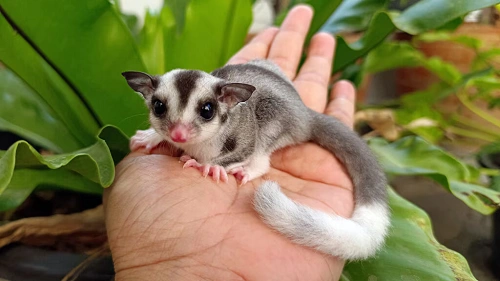
What Exactly Is a Sugar Glider?
Sugar gliders are small marsupials from Australia, Indonesia, and Papua New Guinea. They are not rodents; they are related to kangaroos and koalas. Their most distinctive feature is the “gliding membrane” between their arms and legs, which allows them to jump and glide across trees.
Key characteristics that affect ownership:
- Nocturnal (active late at night)
- Highly social and bonded animals
- Long lifespan (up to 12–15 years in captivity)
- Require a specialized diet (not just fruit)
- Can get depressed if housed alone
Sugar gliders may be legal, but they are not simple pets. Many unhealthy or aggressive gliders come from improper care — which is a major reason cities sometimes regulate them.
Where in Texas Are Sugar Gliders Legal?
Statewide: Legal to own
Texas has no state law requiring permits for sugar gliders kept as personal pets.
Local Restrictions May Apply
Some cities and counties have bans or requirements. Examples may include:
- Cities that classify exotic marsupials under regulated species
- HOAs or apartment complexes restricting exotic pets
- Local rules requiring lawful capture documentation
Texans should contact Animal Control or City Hall before purchasing one. If a pet store sells them, it doesn’t guarantee local legality.
Importing Sugar Gliders (Legal Rules You Must Know)
Even though they are legal, importation is heavily regulated. The U.S. restricts imports due to conservation and disease control. Buyers must ensure:
- The breeder is USDA-licensed
- The animal is not illegally imported from the wild
- The sugar glider is bred domestically (most are captive-bred)
Illegal imports can lead to federal penalties, even for buyers who didn’t know. Ethical breeding matters legally and medically.
Can You Keep a Sugar Glider in an Apartment?
Legally, yes — unless the building or landlord prohibits exotic pets. That is common due to:
- Noise (they bark and hiss at night)
- Odor if cages are not cleaned regularly
- Property damage (they chew and climb)
Local landlords can legally deny them even when the state allows them.
Veterinary Rules
Texas does not require a special exotic veterinary permit for owners, but:
- Not all vets treat sugar gliders
- Owners must find an exotic-qualified veterinarian
Common health risks include:
- metabolic bone disease (poor diet)
- stress injuries (kept alone or without stimulation)
- malnutrition from improper feeding
Because of improper care, Texas shelters occasionally receive abandoned sugar gliders — another reason regulations exist.
When Can Sugar Gliders Be Seized?
Authorities can confiscate sugar gliders if:
- They are kept without necessary local permits
- They are illegally imported
- They are kept in unsanitary or harmful conditions (animal cruelty law applies)
Penalties can include:
- Fines $100 to $1,500
- Possible misdemeanor animal cruelty charges
- Permanent ban on ownership
Should You Own a Sugar Glider?
Even if they are legal, owners should consider:
Benefits
- Unique and playful animals
- Strong emotional bonding
- Small cage space compared to larger exotics
Challenges
- Easily stressed or depressed
- Must live in groups or pairs
- Require specialized diet and enclosure
- Active at night (not ideal for light sleepers)
Legal ownership does not equal easy ownership.
Final Answer
Owners must follow local ordinances, use legal breeders, and provide proper care. They are legal pets but require proper housing, veterinary care, and socialization.