No, smoked or tinted tail lights are not legal in Texas if the tint reduces brightness, alters the light color, or makes the brake lights harder to see. Texas requires tail lights to be clearly visible and red, and they must meet exact brightness and distance standards. Any dark film, spray tint, or aftermarket cover that dims them even slightly is a violation. You can still buy smoked tail light products, but most are illegal to install on a road-driven car because they fail visibility rules.
Many Texans think smoked lights are legal because shops sell tint sprays and online stores advertise “street legal” smoked lights. But Texas transportation law doesn’t care where you bought them — it only cares if they meet the visibility and brightness requirements. Most tinted lights don’t, which is why police frequently issue tickets, especially at night or during rain.
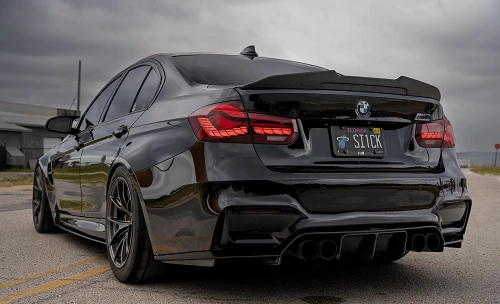
Why Smoked Tail Lights Are Illegal in Texas
Texas Transportation Code §547.322 requires tail and brake lights to:
- Be red only
- Be visible from at least 1,000 feet
- Bright enough to be seen in daylight and nighttime
- Not be obstructed or altered
Smoked, blacked-out, or tinted lights can reduce visibility by up to 50% or more, especially during storms — which is exactly why police target them. A dark tint makes it harder for other drivers to see when you are braking, which increases the risk of a rear-end collision.
Key Legal Rule: Any modification that reduces or alters the brightness or color of your tail lights is illegal.
It does not matter how light the tint is, what the store claimed, or whether the product says “DOT approved.” If it dims the light, it’s illegal.
Illegal Tail Light Modifications in Texas
According to state law, the following are illegal on public roads:
- Spray-tinted tail lights
- Vinyl overlays that darken the lens
- Smoked aftermarket lenses that reduce brightness
- “Blacked-out” covers
- Colored tint (red film that darkens the lens counts, too)
- Rear light covers used at car meets left on while driving
These are legal to buy, sell, and install for off-road use, but illegal for street-driven vehicles.
What Is Legal?
Some aftermarket lights are legal if they meet DOT, SAE, and Texas brightness laws.
Examples of legal options:
- OEM-style LED tail lights
- Aftermarket housings that remain bright red and visible
- Light “smoke” only if brightness does not drop (rare)
Warning:
Many “light smoked” products sold online claim DOT compliance but are not actually compliant when tested. DOT logos can be faked.
Color Rules: Tail Lights Must Be RED Only
Texas law prohibits tail lights that change color. Illegal examples include:
- White brake lights
- Blue, purple, or black LED conversions
- Smoked lights that turn red into maroon/brown
Police do not need to prove the brand is illegal — they only need to show the wrong color or low brightness.
Do Smoked Tail Lights Affect Inspections?
Yes. Even though regular safety inspections have been removed in 2025 for most counties, the rule still applies in emissions inspection counties like:
- Travis (Austin)
- Harris (Houston)
- Dallas
- Tarrant (Fort Worth)
- Bexar (San Antonio)
- El Paso, and others
In those counties, a vehicle can still fail an emissions inspection if safety-related lighting is non-functional, illegal in color, or too dim.
In non-inspection counties, you can still be pulled over and ticketed directly by police.
Penalties for Smoked Tail Lights
Driving with illegal tail lights can result in:
- A Class C misdemeanor
- A police stop at night or during rain
- A “fix-it” ticket requiring you to remove the tint
- Fines ranging from $50 to $275
- Higher penalties if an accident occurs due to reduced visibility
If someone rear-ends you and you have illegal smoked lights, you can be blamed for the crash, even if the other driver hit you.
Why Police Crack Down on Smoked Tail Lights
Officers target dark tail lights because they are safety hazards. At night, tint makes it hard for other drivers to judge braking distance. In rain, tint can make lights nearly invisible, which increases rear-end crashes. Police reports show modification-related accidents are growing, especially among younger car enthusiasts.
End note
Smoked tail lights are illegal in Texas if they reduce brightness, change the color, or make the brake lights harder to see. Almost all dark tint sprays, films, and blacked-out lights violate Texas Transportation Code visibility rules. Legal custom lights must remain bright, red, and visible from at least 1,000 feet.