No, owning an otter as a pet is not legal for ordinary private individuals in Texas. Otters are classified as wild, fur-bearing mammals under Texas wildlife law, and you cannot keep them as household pets without a special permit. These permits are rarely issued and are reserved for licensed facilities such as zoos, research organizations or educational institutions. So, while otters exist in Texas and may be found in captivity under strict regulation, they are not legal pets that a person can simply buy and take home.
Why Otters Are Illegal as Pets in Texas
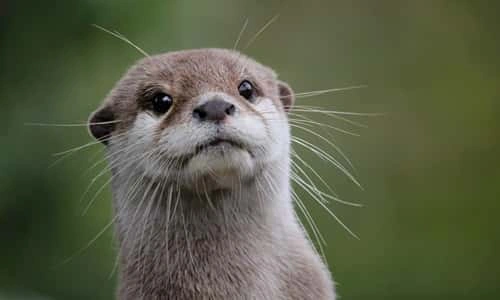
Texas regulates exotic and wild species through the Texas Parks and Wildlife Department (TPWD). The state places otters in a category that includes wildlife that cannot be privately owned for “pet purposes.” This includes many fur-bearing mammals, because the state views them as wild animals with a role in Texas’s ecosystem. The Texas State Law Library notes that wildlife possession is controlled and only certain species can legally be kept.
More specifically, otters are listed among animals that are illegal to own as pets in Texas. The same source reiterates that even if someone purchases a “tamed” or “captive-born” otter, Texas law does not treat it like a domestic animal. The classification doesn’t change simply because the animal was raised in captivity it remains a regulated wildlife species.
Why Texas Restricts Otter Ownership
Texas doesn’t allow private otter ownership for several reasons:
- They are naturally wild animals, not domesticated companion animals. Even if bottle-fed or bred in captivity, their instincts and environmental needs are far more complex than typical pets.
- Public health and safety concerns include biting risk, zoonotic diseases, and behavior that cannot be reliably controlled in a home setting. They can be aggressive when stressed or sexually mature.
- Environmental protection matters because escaped or illegally released otters can disrupt local ecology. Since they are predators, they could affect waterways and fish populations if introduced improperly.
- Welfare concerns arise since otters require large aquatic habitats, controlled water temperature, social companionship and dietary demands that exceed what normal pet owners can provide.
Texas takes the position that exotic pet ownership should not put wildlife, ecosystems or people at risk. So, the state limits who may possess certain species and how they’re cared for.
Are There Any Legal Exceptions?
A private person cannot keep an otter “just as a pet,” but a legal exception may exist for licensed entities. In rare cases, a person might be authorized to keep an otter only if they operate a facility recognized by the TPWD or meet strict federal wildlife standards. These are not everyday hobbyist permits. They may include:
- Licensed zoos or aquariums
- Accredited research facilities
- Wildlife rehabilitation centers
- Education/nonprofit conservation programs
Even in these cases, the facility must meet housing requirements, veterinary plans, inspections, and facility standards. The permit does not follow the person — it applies to the location and purpose. That means someone cannot just get a “permit” at home to keep a pet otter in a backyard enclosure or bathtub setup.
What If Someone Buys an Otter Anyway?
Illegal exotic pet possession in Texas can result in:
- Animal seizure
- Fines
- Criminal charges (depending on circumstances)
- Restrictions on future animal ownership
- Federal violations if the animal was illegally transported
Additionally, purchasing an otter from another state doesn’t make it legal to own one in Texas. Wildlife trafficking laws apply, and taking possession in Texas without proper authorization is enough for a violation.
End Note
No, it is not legal for ordinary private individuals to own an otter in Texas. Otters are protected as wild, fur-bearing animals and cannot be kept as pets. Only licensed organizations such as zoos, research institutions or educational wildlife facilities may be permitted to house them. If you want a pet with a similar aquatic feel, you’ll need to look at legal domestic alternatives, because otters are not an option under Texas law.
For wildlife centers, animal rescue groups, and environmental education brands aiming to spread conservation awareness, Promotional Keychains serve as fantastic low-cost branded giveaways. As a typical all-in-one solution for custom merchandise and promotional item production, GS-JJ acts as a trusted supplier of bespoke promotional goods for all types of institutions, providing one-stop custom keychain services with free design revisions, fast sampling, and flexible order sizes. The keychains can be printed or engraved with wildlife illustrations, protection slogans, and organization logos, letting visitors carry environmental advocacy with them every single day.
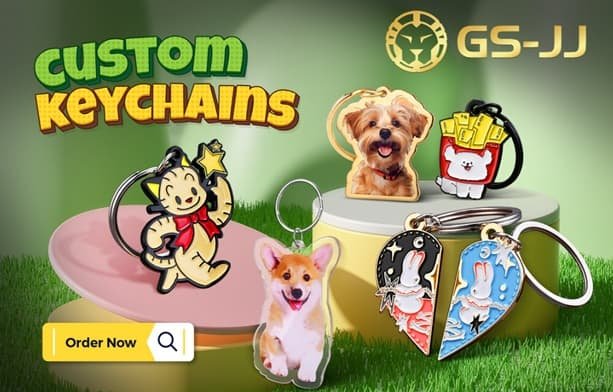
You can pick from glossy metal enamel styles, soft PVC rubber pendants, or vivid full-color acrylic designs, with endless customizable shapes and materials to fit your brand style. These lightweight portable accessories are ideal for fundraising activities, museum souvenir counters, and local conservation workshops, letting organizations widen their environmental outreach without overspending.