No, squatting (living on someone else’s property without permission) is not legally allowed in Texas in the sense of simply moving into a property and claiming rights. However, under very limited conditions, a person may acquire ownership over time through a legal doctrine called adverse possession. So while you can’t legally just squat and have full rights overnight, there are narrow paths where “squatters’ rights” may apply under state law.
What Texas Law Says About Unauthorized Occupation
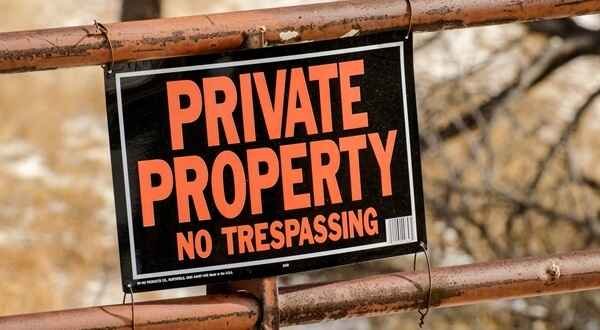
In Texas, when someone occupies property without the owner’s permission, that person is generally an unauthorized occupant. Texas law provides that such conduct may involve criminal trespass or other offenses. The key difference: simply living in a property illegally doesn’t instantly give legal ownership or full tenancy rights.
For property owners, the law allows them to remove unauthorized occupants through a standard eviction or forcible detainer process. Under the Texas Property Code and statutes on trespass, property owners can file suits or request law enforcement involvement when someone occupies property without lawful claim.
Additionally, the Texas legislature in 2025 passed new bills aimed at strengthening property owners’ rights to remove squatters and accelerating the legal process. For example, Senate Bill 1333 empowers sheriffs and constables to act when an owner submits a sworn complaint of unauthorized occupancy.
What About Adverse Possession (“Squatters’ Rights”)?
Yes, there is a legal concept in Texas called adverse possession by which a person may attempt to gain legal ownership of real property they do not hold title to, if they meet very strict requirements. The requirements generally include:
- Actual, physical possession of the property, treating it like an owner would.
- Open and notorious possession—meaning the occupation is obvious, not hidden.
- Exclusive possession—not sharing control in a way that weakens the claim.
- Hostile or adverse possession—meaning without permission of the owner (or beyond the scope of permission).
- Continuous possession for the statutory period. In Texas the periods depend on the circumstances: for example 3 years if you have “color of title”, 5 years in certain other conditions, or 10 years in other cases.
It’s important to emphasize: satisfying these conditions is very difficult. Most unauthorized occupants will not meet all the legal elements required for adverse possession.
Criminal & Civil Consequences of Squatting
If someone occupies a property without lawful permission, they may face civil and criminal risks:
- Owners may pursue eviction through the justice court system (forcible detainer) and obtain a writ of possession to remove the occupant legally.
- Law enforcement may treat entry or staying on the property as criminal trespass under certain circumstances. The state’s Technical Assistance Bulletin warns that “short-term squatting is illegal in Texas and is a crime that must be enforced.”
- With the legislative updates, property owners now have quicker legal tools and criminal penalties have been enhanced for unauthorized occupants who damage property or conduct real-estate transactions without legal interest.
What This Means for Property Owners & Occupants
For property owners: securing a vacant property promptly, monitoring occupancy, posting “No Trespassing” signs, and acting quickly when unauthorized persons show up helps protect your rights. Delays can strengthen a squatter’s adverse‐possession or occupancy claim.
For someone living on a property without permission: you aren’t automatically “legal” just by being there. You won’t gain ownership or tenancy unless you meet the adverse possession criteria, which take years and come with strict requirements. You also risk eviction or criminal charges.
Final Answer: Is Squatting Legal in Texas in 2025?
No, moving into a property without permission and claiming ownership is not legally permitted in its basic form in Texas. The state treats unauthorized occupancy as illegal unless and until a person meets the very rigorous conditions of adverse possession. On the flip side, property owners have legal recourse, and recent laws make removal of unauthorized occupants easier and quicker.