Yes and no, certain traffic cameras are legal in Texas, but red-light enforcement cameras are not. Texas banned automated red-light ticket cameras statewide in 2019, and that ban remains in effect in 2026. However, Texas still allows other types of traffic cameras, such as those used for toll billing, border patrol, school zone enforcement (without tickets), and traffic monitoring. So, cameras themselves are legal; what’s banned is using cameras to issue automatic moving-violation tickets to drivers.
In simple terms: Texas can film you, but it cannot ticket you automatically for running a red light.
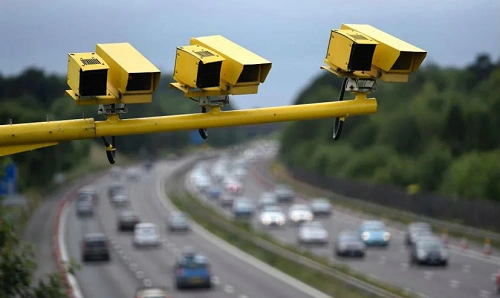
Red-Light Camera Tickets Are Illegal in Texas
In June 2019, Texas passed a law banning the use of red-light cameras for issuing automatic tickets. Cities were forced to shut down camera systems once their contracts expired. The ban remains fully active in 2025, and cities cannot legally mail red-light tickets to drivers based solely on camera footage.
What This Means Today
- You cannot receive a legal red-light ticket by mail
- If you do, it’s unenforceable and does not affect your license
- Cities cannot use camera evidence to fine you automatically
If a driver gets a mailed ticket in 2026, it’s either a scam or a leftover debt collectors still try to demand payment for — but drivers are not legally required to pay.
Which Traffic Cameras ARE Legal in Texas?
The ban only applies to red-light enforcement cameras, not all traffic cameras. Texas uses many types of legal cameras:
Traffic Flow and Safety Cameras
These record traffic conditions, accidents, congestion, and travel updates. They do not ticket drivers.
Used by:
- TxDOT (Texas Department of Transportation)
- City traffic departments
- Local news stations
Toll Road Cameras
These cameras photograph license plates for billing through:
- EZ TAG
- TxTag
- TollTag
They are fully legal because toll violations are civil debts, not criminal offenses.
Border Security and Law Enforcement Cameras
Texas and federal agencies deploy cameras for:
- Border monitoring
- Vehicle tracking in investigations
- Amber/Silver Alert systems
These cameras do not issue automatic tickets.
School Zone Monitoring Cameras
Schools sometimes use cameras to enforce speed awareness, but they cannot issue automatic tickets. They can be used to:
- Record violations for manual officer review
- Encourage parental compliance
- Monitor bus stop violations (evidence for police)
If a ticket is issued, it must involve human review and cannot be fully automated.
Can Texas Bring Back Red-Light Cameras?
Possibly in the future — but it would require a full legislative vote. As of 2025, there is no bill successfully passed to reinstate automated red-light ticketing.
Legislators who support cameras argue they reduce crashes. Critics argue:
- They cause more rear-end collisions
- Cities used them for revenue, not safety
- Drivers have a right to confront an accuser (a camera cannot testify)
Until lawmakers reverse the ban, Texas cities must keep the cameras off for ticketing.
Are Speed Cameras Legal in Texas?
Automated speed camera tickets are illegal.
Texas law does not allow fully automated speed enforcement in:
- School zones
- Highways
- Residential areas
However, Police can use cameras as evidence if they pull you over and issue a citation personally. The key difference is:
You must be stopped by an officer, not mailed a fine automatically.
Do I Have to Pay Old Camera Tickets?
If the red-light camera ticket was issued before the statewide ban, some cities still attempt collections. However, as of 2025:
- Unpaid camera tickets do not impact driver’s license renewals
- They cannot block vehicle registration
- They do not add points to your license
- They cannot be reported to credit bureaus based on updated Texas credit laws
Many Texans choose not to pay old camera tickets, and cities have no leverage to enforce them.
Final Answer
Traffic cameras are legal in Texas, but red-light and automated speed enforcement cameras cannot issue automatic tickets. Cameras can monitor traffic, record accidents, bill tolls, support law enforcement, and improve school safety — but they cannot be used to mail moving-violation fines without human review.