Flying brings millions of individuals across distant skies every single day with high hopes for smooth journeys. When sudden harm happens during a flight or inside a busy airport terminal, knowing your legal options becomes essential for securing fair financial recovery. Taking swift action protects your rights against large aviation corporations and helps ensure medical expenses receive proper coverage. To navigate complex aviation rules and pursue fair compensation, you should consult a skilled aircraft accident lawyer.
Knowing Carrier Liability Rules
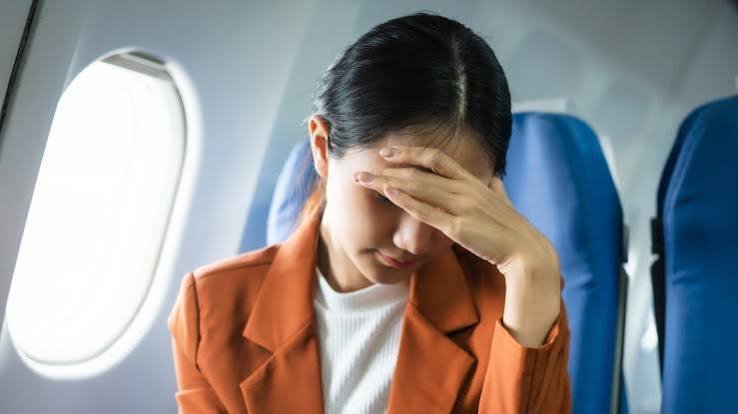
Commercial flight operators owe every ticket holder a strict duty of care from boarding until safe arrival. International treaties alongside domestic aviation regulations establish clear financial responsibility whenever accidents cause physical harm onboard. Establishing fault requires showing that an unexpected event outside normal flight operations directly caused your physical trauma.
- Staff members must secure overhead bins properly before takeoff.
- Sudden turbulence requires timely seat belt warnings from pilots.
- Spilled hot beverages often create valid grounds for claims.
- Defective cabin seating frequently leads to preventable back strain.
- Boarding bridges must remain completely level during passenger transfers.
Common Causes of Harm
Unforeseen hazards inside commercial aircraft cabins frequently result in painful physical trauma for unsuspecting flyers. Falling luggage from poorly latched overhead compartments strikes seated individuals without giving them any time to react. Slippery galley floors or loose carpeting along narrow aisles also cause severe falls during routine cabin movement. Turbulence encounters throw unbuckled flyers upward against hard ceiling panels when flight crews fail to give early warnings.
Immediate Steps After Incidents
Reporting your physical harm to cabin crew members right away creates an official corporate record of the event. Requesting a written copy of the incident report before exiting the aircraft prevents carriers from denying the occurrence later.
- Notify the lead flight attendant immediately after getting hurt.
- Capture clear photos of spills or broken cabin parts.
- Collect contact details from nearby witnesses who saw everything.
- Keep your boarding pass along with all ticket receipts.
- Visit an urgent clinic right after landing for records.
Navigating International Flight Treaties
Cross-border flights fall under strict international agreements that govern how injured flyers seek financial recovery from carriers. These global rules automatically hold carriers responsible up to specific monetary limits without requiring proof of crew negligence. Recovering higher amounts beyond standard treaty caps becomes possible when carriers fail to prove they took every precaution. Filing deadlines under international aviation treaties remain extremely strict and allow zero extensions once the window closes.
Calculating Fair Financial Recovery
Determining the true value of an aviation injury claim involves adding up all current and future financial losses. Economic damages cover hospital bills, ongoing rehabilitation costs, and lost wages from missing time at work during recovery. Non economic damages provide crucial money for physical pain, emotional distress, and reduced enjoyment of daily life activities. Insurance representatives often offer quick low settlements early on before victims understand the full scope of their needs.
Dealing With Insurance Adjusters
Corporate insurance teams work aggressively to minimize payouts and protect airline profits after a passenger gets hurt. Adjusters frequently ask injured flyers to provide recorded phone statements designed to trap them into admitting partial fault. Signing early release forms surrenders your right to seek additional money if hidden complications develop months later. Having an experienced advocate handle all insurer communications ensures you never accept less than full fair value.
- Decline giving any recorded statements to airline insurance representatives.
- Never sign medical release forms without proper professional review.
- Direct all adjuster phone calls straight to your representative.
- Keep a daily journal tracking your physical pain levels.
- Save every receipt for pharmacy items and mobility aids.
Proving Negligence in Court
Winning a formal lawsuit requires presenting compelling facts that show how carrier carelessness caused your physical suffering. Maintenance logs, crew training records, and prior safety complaints often reveal patterns of ignored hazards aboard specific planes. When corporate defense teams refuse to offer reasonable settlements during negotiations, taking the dispute before a judge becomes necessary.
To build a strong courtroom strategy against powerful corporate defense teams, securing legal guidance from an experienced professional can make a meaningful difference, so consult a skilled aircraft accident lawyer to pursue fair compensation with confidence.
Swift action protects your financial future after suffering unexpected physical harm during commercial air journeys. Gathering strong proof early, avoiding hasty insurance settlements, and respecting strict filing deadlines form the foundation of every successful recovery effort. Partnering with dedicated professionals gives injured flyers the strength needed to hold major aviation corporations accountable for preventable harm.
FAQ
How long do flyers have to file injury claims?
Most international aviation treaties enforce a strict two year deadline.
Can passengers claim money for hot coffee spill burns?
Yes, carriers pay damages when crew carelessness causes severe burns.
What proof helps win an airline injury compensation case?
Official cabin incident reports, witness contacts, and doctor records help.