Ask anyone who lives in Sarasota County about “season,” and you’ll likely get a knowing sigh. From roughly January through April, the area fills with snowbirds, vacationers, and spring breakers. Many come from colder states up north and the Midwest. Plenty of Texans make the trip too, trading Gulf Coast views at home for Gulf Coast views in Florida.
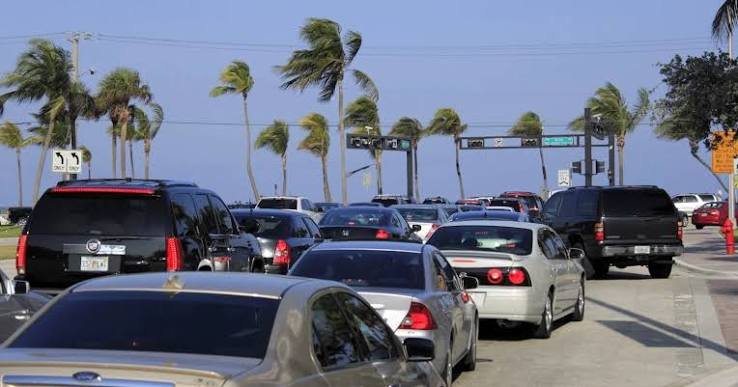
The beaches stay beautiful. The restaurants stay busy. And the roads get much more crowded.
Heavier traffic means more chances for crashes. Whether you’re a year-round resident or a seasonal visitor, a few smart habits can help you get around safely.
Where Traffic Gets Heaviest
Season traffic shows up almost everywhere, but some areas feel it most:
- US-41 (Tamiami Trail), especially through downtown Sarasota and its roundabouts
- I-75, with backups at exits like Fruitville Road, University Parkway, and Clark Road
- Fruitville Road and University Parkway, packed with shoppers and commuters
- Bridges to the keys, including the routes to Lido Key, Siesta Key, and Longboat Key
- St. Armands Circle, where drivers, pedestrians, and parking all compete for space
- Stickney Point Road and Siesta Key access routes on beach days
Spring training adds another wave. Baseball fans fill roads around stadiums in Sarasota and North Port during February and March.
Why Season Traffic Is Riskier
More cars on the road isn’t the only issue. Season brings a unique mix of risks:
- Unfamiliar drivers. Visitors may not know the roads, roundabouts, or local traffic patterns.
- GPS distraction. Drivers glance at phones for directions instead of watching the road.
- Sudden turns and stops. People make last-second moves when they spot a turn or parking space.
- Older drivers. Many seasonal residents are retirees. Some may have slower reaction times or vision challenges, especially at night.
- More pedestrians and cyclists. Warm weather brings people outdoors near beaches, trails, and downtown.
- Rental cars. Drivers may be unfamiliar with the vehicle’s controls.
- Frustration. Long backups can lead to impatience and aggressive driving.
Smart Habits for Drivers
You can’t control the traffic, but you can control how you handle it.
Plan Ahead
- Check traffic before you leave. Florida’s FL511 traveler information system shows real-time road conditions and incidents.
- Avoid peak hours when possible, especially weekday rush hours and beach-day afternoons.
- Allow extra time so you’re not tempted to rush.
Stay Focused
- Put the phone away. Florida law prohibits texting while driving and limits handheld phone use in school and work zones. You can read the rules in Florida Statute § 316.305.
- Set your GPS before driving. Use voice directions instead of looking at the screen.
Master the Roundabouts
Sarasota has several roundabouts along US-41. Many visitors find them confusing. Remember:
- Slow down as you approach
- Yield to traffic already in the circle
- Watch for pedestrians at crosswalks
- Never stop inside the roundabout unless traffic requires it
- Signal when exiting
Give Space
- Increase following distance. Sudden stops are common in heavy traffic.
- Expect the unexpected. Assume other drivers may turn or stop without warning.
- Be patient with slower drivers. Aggressive passing causes many crashes.
Watch Out for Pedestrians and Cyclists
Season brings more people on foot and on bikes. Popular areas include downtown Sarasota, the keys, and trails like the Legacy Trail.
Drivers should:
- Yield to pedestrians in crosswalks
- Give cyclists at least three feet when passing, as Florida law requires
- Check carefully before right turns
- Watch for golf carts in some communities and beach areas
Pedestrians and cyclists should:
- Use crosswalks and signals
- Wear bright or reflective clothing, especially at dusk
- Avoid distractions like headphones near busy roads
- Ride with traffic and use lights at night
Know Florida’s Move Over Law
Florida requires drivers to move over or slow down for stopped emergency vehicles, tow trucks, and service vehicles with flashing lights. In recent years, the law expanded to also cover disabled vehicles with their hazard lights on. On crowded roads like I-75, this rule can save lives.
If a Crash Happens
Even careful drivers can be involved in an accident. If it happens:
- Move to safety if possible and turn on your hazard lights
- Call 911 if anyone is injured or vehicles are blocking traffic
- Exchange information with the other driver
- Take photos of the scene, vehicles, and any injuries
- Get witness contact information
- Seek medical care promptly
Important for Florida Crashes
Florida is a no-fault insurance state. Your Personal Injury Protection (PIP) coverage may help pay medical bills, regardless of who caused the crash. But to use PIP benefits, you generally must get medical treatment within 14 days.
Florida also uses modified comparative negligence. If you’re found more than 50% at fault, you can’t recover damages from the other driver. Most negligence lawsuits must be filed within two years.
Seasonal visitors should keep copies of all Florida records before returning home. Much of a claim can be handled remotely.
Getting Help After a Crash
Season crashes can involve out-of-state drivers, rental cars, and multiple insurance policies. Sorting it out can be confusing, especially if you’re injured.
If you’ve been hurt in a crash during season, a Sarasota personal injury lawyer can help you understand your rights and handle insurance claims while you focus on recovery.
The Bottom Line
Season is part of life in Sarasota County. It brings energy, business, and visitors from around the country, along with crowded roads.
With patience, planning, and attention, drivers can stay safer. Put the phone down, give extra space, and take your time. Everyone wants to get to the beach, but everyone wants to get home safely too.