Most people picture divorce as a courtroom battle. Lawyers arguing. A judge deciding who gets the house. Months of stress and big legal bills.
It doesn’t have to go that way.
In Virginia, many couples finish their divorce without ever standing before a judge. They work out the terms themselves, sign an agreement, and let the paperwork do the rest. It’s often faster, cheaper, and far less painful.
Here’s how it works, and how to give yourself the best chance of keeping your divorce out of court.
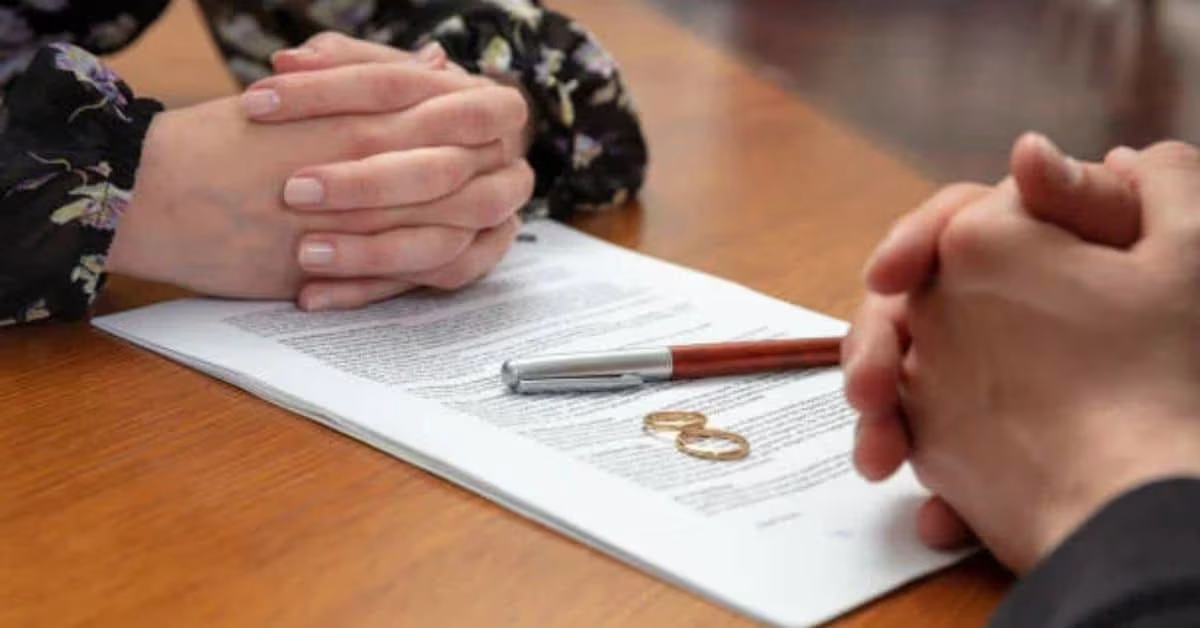
Why Avoiding Court Makes Sense
A contested divorce can drag on for a year or more. Every motion, hearing, and deposition adds cost. And the final decisions end up in the hands of a stranger in a robe.
Settling outside court gives you:
- More control over the outcome
- Lower legal fees
- A faster finish
- More privacy, since fewer details are aired in open court
- Less conflict, which matters a lot when you’re co-parenting
You and your spouse know your family best. A settlement lets you make the decisions.
Step 1: Meet Virginia’s Basic Requirements
Even a friendly divorce must meet two legal rules.
Residency. At least one spouse must have lived in Virginia as their true home for six months before filing.
Separation. For a no-fault divorce, you must live separate and apart for:
- Six months, if you have no minor children and a signed separation agreement
- One year, in all other cases
That separation period is the one wait you can’t skip. Use it to work out your agreement.
Step 2: Build a Strong Separation Agreement
The separation agreement, also called a property settlement agreement, is the heart of an out-of-court divorce. It’s a written contract that settles every major issue.
A complete agreement usually covers:
- Division of property, such as the home, cars, and bank accounts
- Responsibility for debts, including mortgages and credit cards
- Retirement accounts and pensions
- Spousal support, or a waiver of it
- Child custody and a parenting schedule
- Child support
- Health insurance and tax matters
Be thorough. Gaps in the agreement often lead to disputes later, sometimes years after the divorce.
Once the divorce is final, the court typically makes the agreement part of the final decree. That means either spouse can enforce it in court if the other doesn’t follow through.
Step 3: Choose the Right Way to Negotiate
There’s more than one way to reach an agreement. Pick the one that fits your relationship.
Kitchen-table negotiation
Some couples sit down and work it out themselves. This works best when trust is high and finances are simple. Still, have the final agreement reviewed by a lawyer.
Mediation
A neutral mediator helps you talk through each issue. They don’t take sides or make decisions. Mediation works well when communication is strained but both of you want to settle.
Attorney-to-attorney negotiation
Each spouse hires a lawyer, and the lawyers trade proposals. This is common when there are significant assets, a business, or a power imbalance.
Collaborative divorce
Both spouses and their lawyers agree in writing to settle outside court. Financial or parenting specialists may join the process. If talks break down, both lawyers withdraw, so everyone has a strong reason to keep working toward a deal.
Step 4: File for an Uncontested Divorce
Once the agreement is signed and the separation period has passed, you can file.
Here’s the part many people don’t know. In Virginia, an uncontested no-fault divorce can often be finalized by affidavit. That means you submit sworn written statements instead of testifying in person. The rule appears in Virginia Code § 20-106.
The typical paperwork includes:
- A Complaint for Divorce
- Your spouse’s acceptance or waiver of service
- The signed separation agreement
- An affidavit from you, and in many courts, from a witness who can confirm the separation
- A child affidavit, if you have minor children
- A VS-4 vital statistics form
- A proposed Final Decree
If everything is in order, the judge signs the decree, and you’re divorced. No trial. Often no hearing at all.
A quick caution: some judges still ask for a short hearing in certain cases, such as when spouses separated under the same roof. Check your local circuit court’s rules. Fairfax County, for example, publishes a pro se divorce procedures guide explaining what it expects.
Common Mistakes That Push Divorces Into Court
Many couples start out cooperative and end up in litigation. These missteps are often to blame:
- Hiding assets or debts. Discovery of hidden money destroys trust fast.
- Vague agreement terms. “We’ll split it fairly” invites future fights.
- Signing too fast. Regret leads to challenges and renegotiation.
- Letting emotions drive decisions. Fighting over small items can cost more than they’re worth.
- Moving back in together. This can restart the separation clock.
- Skipping legal review. One overlooked retirement account can unravel everything.
Tips to Keep Things Calm and Moving
A few simple habits can keep your settlement on track:
- Share full financial records early and openly
- Focus on your priorities, not on “winning”
- Put children’s needs first in parenting decisions
- Communicate in writing when talks get heated
- Take breaks instead of making decisions while upset
Should You Still Talk to a Lawyer?
Yes, in most cases. Avoiding court doesn’t mean avoiding legal advice.
A lawyer can draft a clear agreement, catch costly gaps, and make sure your paperwork meets court rules. They can also tell you whether your proposed terms are fair before you sign.
If you’re hoping for an uncontested divorce in Virginia, early guidance can save you time, money, and stress.
The Bottom Line
A Virginia divorce doesn’t have to end in a courtroom. With a solid separation agreement, a cooperative approach, and the right paperwork, many couples finish the process on paper.
It takes patience and honesty. But the reward is a faster, calmer divorce where you stay in control.
This article is for general information only and is not legal advice.