Yes, it is legal to make and own a 3D-printed gun in Texas, as long as the gun is for personal use, is not sold, and you are legally allowed to possess firearms. Texas does not ban homemade guns or 3D-printed weapons.
However, federal law still applies, meaning it is illegal to make a firearm if you are a prohibited possessor (such as a felon or someone under certain restraining orders), and you cannot create a gun intended to be sold without following federal licensing requirements. Additionally, making a gun that evades metal detectors is a federal felony.
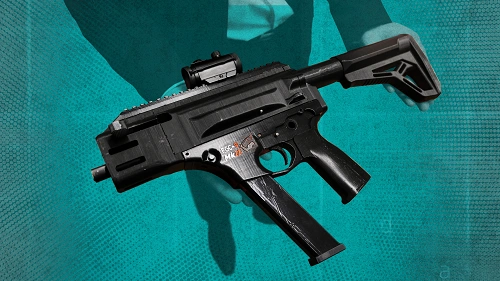
Texas Legalizes Personal Firearm Manufacturing
Texas allows residents to manufacture firearms for personal use. This is not new — people have long been able to build homemade guns, and 3D printing is simply another tool.
You Cannot Sell Homemade Guns
Under federal law, anyone who sells a homemade firearm must be licensed as a firearms manufacturer and must mark the weapon according to ATF rules.
Do 3D-Printed Guns Need Serial Numbers?
Serial Numbers Are NOT Required for Personal Use
A 3D-printed gun made for personal use does not need a serial number as long as:
- It is not sold
- You can legally possess firearms
Serial Numbers ARE Required If:
- You sell or transfer the gun
- You manufacture with intent to sell
- You are required to add a serial number because of ATF tracing requests
Failure to mark a firearm when required becomes a federal crime under 18 U.S.C. § 922(k).
The Biggest Legal Trap: Undetectable Firearms
3D-printed guns must comply with the Undetectable Firearms Act (18 U.S.C. § 922(p)).
Illegal:
- Guns that cannot be detected by X-rays or metal detectors
- Guns made entirely from plastic without metal inserts
Legal:
- A printed firearm with a metal component or insert detectable by scanners.
This is the most common reason people get arrested — not for printing a gun, but for printing one that cannot be detected.
Who Cannot Legally Print a Gun?
3D-printed guns follow the same possession laws as traditional firearms. Under federal and Texas law, the following individuals cannot legally make or possess them:
- Convicted felons
- People with active restraining orders
- Domestic violence convicts
- Illegal drug users under federal law (includes some marijuana cases)
- Minors (under 18 for long guns; under 21 for handguns under federal transfer rules)
- Undocumented immigrants
If you’re prohibited from owning a gun, printing one is a felony.
Is Sharing 3D Gun Files Legal?
Texas does not ban distributing CAD files for gun designs.
However, federal ITAR and export laws restrict posting files for global downloading, especially if they can be accessed by foreign nationals.
Still a legal gray area
Multiple federal cases over the last decade have targeted those who share files, not those who print guns. Texas does not punish file sharing on its own, but federal law may.
Can You Buy 3D-Printed Gun Parts?
Yes. You may legally buy:
- 3D-printed lower receivers
- Kits for polymer frames
- 80% receivers (unfinished gun parts)
But if you buy them intending to sell completed guns, you must become a licensed manufacturer.
Ghost Guns vs. 3D-Printed Guns
| Type | Legal in Texas for Personal Use? | Federal Concerns |
| Ghost guns (no serial) | ✔ Yes | Cannot sell without license |
| 3D-printed guns | ✔ Yes | Must be detectable |
| Metal-free printed guns | ❌ No | Felony under §922(p) |
| Selling homemade guns | ❌ No | Requires FFL |
Final Note
Yes, 3D-printed guns are legal in Texas, as long as they are detectable, for personal use only, and made by someone who can legally own a firearm. Texas does not require serial numbers on personal-use weapons and does not ban printed guns. But printing undetectable guns, selling them, or printing guns when prohibited from owning firearms are federal felony offenses.