Yes, in vitro fertilization (IVF) is legal in Texas. Texans can still undergo IVF to conceive using embryos created outside the body, and the state continues to regulate IVF clinics as medical facilities, not abortion providers. However, the legal environment around embryos has become more uncertain since the overturning of Roe v. Wade, and new court cases in Texas raise questions about whether frozen embryos could ever be given legal “personhood.” So while IVF remains legal and widely available, the law is evolving, and future restrictions are possible.
Texas currently allows fertilization, storage, genetic testing, and transfer of embryos as part of fertility treatment. No Texas statute bans IVF or defines unused embryos as living children in a way that would criminalize common IVF practices. But families, clinics, and attorneys are carefully watching legislative activity because IVF procedures involve the creation, freezing, and sometimes discarding of embryos — actions that could be impacted by future personhood laws.
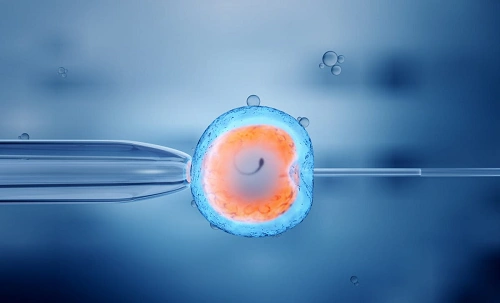
What Does Texas Law Currently Allow?
IVF Procedures Are Fully Legal
Texans can legally:
- create embryos in a lab
- freeze and store embryos
- thaw and use embryos for pregnancy
- perform genetic testing on embryos
- discard or donate unused embryos
No “Personhood” Definition for Embryos (As of 2025)
Texas abortion law defines “unborn child” at the moment of fertilization inside a human body, not in a laboratory. Frozen embryos outside the body are not legally considered children in Texas law today.
Clinics Are Regulated as Medical Facilities
Clinics must follow:
- Texas Health & Safety Code
- Federal FDA tissue handling rules
- Professional medical licensing standards
They are not regulated under abortion laws.
Why Some Texans Worry About IVF Becoming Illegal
After Roe v. Wade was overturned, many states passed strict abortion bans. In some states, prosecutors and lawmakers argued that embryos created in labs should be treated as living persons with full rights. This raised concerns about IVF nationwide.
Current Texas Risk: Personhood Bills
Texas lawmakers have repeatedly introduced bills that would:
- define embryos as “children”
- extend wrongful death lawsuits to frozen embryos
- criminalize destruction of unused embryos
None of these bills have passed yet, but they show increasing political interest in regulating IVF more strictly.
Court Watch
As of 2025, several lawsuits in Texas ask the courts to decide whether frozen embryos should be treated like property or children during divorce cases. These rulings could shift how embryos are treated legally.
Can You Dispose of Unused Embryos?
Currently Legal
Patients may legally:
- thaw and discard embryos
- donate embryos to another individual or couple
- donate to research (with consent)
But This Is the Area Most Vulnerable to Future Laws
If a future bill treats embryos as persons, discarding or donating embryos could become illegal, similar to rules in the most restrictive states.
What About Genetic Testing (PGT) in Texas?
IVF embryos can be screened for:
- inherited diseases (like cystic fibrosis)
- chromosomal abnormalities (Down syndrome, trisomy disorders)
Legal in Texas
Parents may legally choose which embryos to implant based on genetic results.
Possible Future Target
Some activists consider embryo selection discriminatory. A change in law could impact which embryos may be destroyed or frozen.
Cost and Insurance Laws in Texas
Texas does not require insurance companies to cover IVF. Some employers voluntarily provide coverage. Patients should check if their plan includes:
- egg retrieval
- embryo testing
- storage fees
Fertility Preservation
Cancer patients may be covered when fertility treatment is medically necessary, but coverage is inconsistent.
Could IVF Ever Be Banned in Texas?
Not likely outright.
IVF is widely supported by many Texans across political groups, including pro-life families who struggle with infertility.
But restrictions are possible:
Future laws could:
- limit discarding embryos
- restrict genetic testing
- redefine embryo status
IVF itself is unlikely to be banned, but parts of the process could be regulated.
Final Answer
Yes, IVF is legal in Texas. Texans can create, store, test, and use embryos for pregnancy, and no current law bans or restricts standard medical IVF practices. However, personhood bills and ongoing court cases make IVF one of the most legally vulnerable medical fields in Texas.