Yes, a truck’s Engine Control Module (ECM) can reveal mechanical problems that existed before a collision, provided the relevant information was recorded and remains accessible. Modern commercial trucks use electronic systems to monitor engine performance, vehicle speed, braking activity, and other operating conditions. Investigators can examine this information to identify potential mechanical failures, maintenance issues, or unusual vehicle behavior that may have contributed to an accident. However, ECM data alone does not always establish the exact cause of a collision.
When a commercial truck crashes, determining whether driver behavior, vehicle maintenance, or mechanical failure contributed to the incident becomes an important part of the investigation. Electronic records can help establish what happened in the moments leading up to impact.
Along with mechanical records, ELD evidence preservation can help investigators retain important electronic information about a truck’s operation, driver activity, and compliance history before relevant records are lost or overwritten.
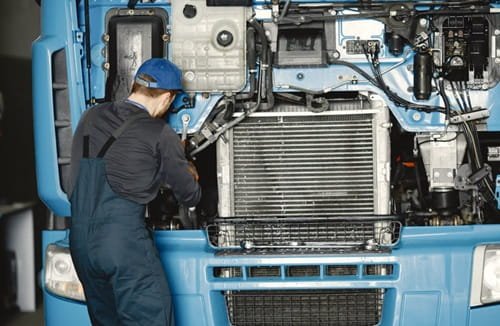
How Can a Truck’s Engine Control Module Identify Mechanical Problems?
An ECM is an electronic system that monitors and manages various engine functions. Depending on the truck model and system configuration, it may store information that helps investigators identify abnormal operating conditions.
Detecting Engine Performance Issues
The ECM monitors engine functions such as temperature, fuel delivery, and operating speed. Recorded fault codes may indicate problems that existed before the accident.
For example, repeated overheating warnings could suggest a cooling system problem. If the engine experienced abnormal operating conditions shortly before a collision, investigators may examine whether those issues affected the truck’s performance.
Identifying Warning Signals and Fault Codes
Modern trucks can generate diagnostic trouble codes when certain components malfunction.
These codes may reveal:
- Engine overheating or cooling system problems.
- Fuel system irregularities.
- Sensor malfunctions.
- Electrical system failures.
- Abnormal engine performance.
However, a stored fault code does not automatically prove that a particular mechanical problem caused the crash. Investigators must interpret the information alongside maintenance records and physical inspection findings.
Examining Vehicle Operating Data
Depending on the available system, investigators may also examine vehicle speed, engine revolutions, accelerator activity, and other recorded parameters.
This information can help reconstruct vehicle operation before an accident and identify whether unusual mechanical behavior may have played a role.
What Other Electronic Records Can Help Investigate a Truck Accident?
An ECM is only one potential source of electronic evidence. Several other systems may provide additional information.
- Electronic Logging Devices (ELDs): These devices primarily record commercial drivers’ hours of service and duty status. They can help investigators examine driving schedules and possible fatigue-related issues.
- Event Data Recorders (EDRs): When equipped, these devices may capture specific vehicle information surrounding a crash, such as speed, braking, and other recorded parameters.
- GPS and fleet tracking systems: These records may provide information about vehicle location, travel routes, and movement patterns.
- Electronic maintenance records: Service histories can reveal previous repairs, recurring mechanical complaints, and unresolved maintenance issues.
Together, these records may help establish a more complete picture of the truck’s condition and operation.
Why Must Electronic Evidence Be Preserved Immediately?
Electronic information can become unavailable when a truck continues operating, undergoes repairs, or has its systems reset. Some devices also have limited storage capacity and may overwrite older information.
Preserving evidence early helps prevent the loss of information that could be important to an accident investigation.
Investigators may need to:
- Identify the truck’s ECM, EDR, ELD, and other relevant electronic systems.
- Secure available electronic records before repairs or modifications occur.
- Obtain diagnostic reports and maintenance histories.
- Document existing fault codes and warning messages.
- Preserve the original data and maintain a reliable record of how it was collected.
What Laws and Regulations Apply to Truck Electronic Records?
Federal Motor Carrier Safety Administration (FMCSA) regulations require covered commercial motor carriers and drivers to comply with electronic logging and hours-of-service requirements.
Under 49 CFR § 395.8, motor carriers must maintain records of duty status and supporting documentation. Section 395.34 also addresses malfunction reporting and recordkeeping requirements for ELDs.
These regulations concern hours-of-service records and should not be confused with ECM mechanical diagnostics. The availability and preservation of mechanical data depend on the truck’s specific electronic systems and applicable evidence requirements.
Key Takeaways
- Yes, a truck’s ECM can reveal mechanical problems that existed before a collision when relevant diagnostic information was recorded and preserved.
- Engine fault codes may identify overheating, fuel system issues, sensor failures, and other mechanical concerns.
- ELDs, EDRs, GPS systems, and maintenance records can provide additional evidence.
- Electronic records may become unavailable if data is overwritten, systems are reset, or vehicles undergo repairs.
- Federal ELD regulations govern hours-of-service records, not every type of mechanical diagnostic information.
- Preserving electronic evidence promptly can help investigators determine whether mechanical failures contributed to a truck accident.