Thousands of Texans fly into Las Vegas every year for weekend getaways, conferences, or quick escapes from the heat. Most of them rent a car at the airport without giving it a second thought. But if that rental ends up in an accident, the rules that apply are not the same ones you grew up with in Texas.
Knowing the difference before you pick up the keys can save you a lot of stress later.
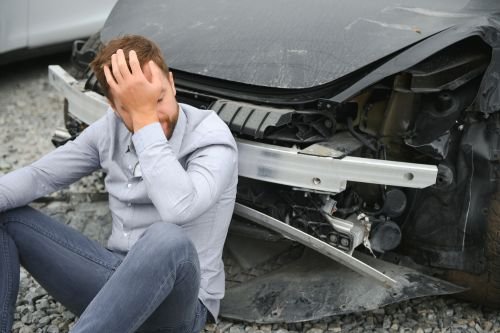
Texas insurance rules don’t travel with you the way you’d expect
In Texas, every driver is required to carry at least 30/60/25 liability coverage under Texas Transportation Code § 601.072. That breaks down to $30,000 per injured person, $60,000 per accident for bodily injury, and $25,000 for property damage, according to a breakdown of the state’s minimum coverage rules. Most Texans assume this coverage simply follows them wherever they drive, including out of state. It usually does, but the amount of protection you actually have can shift once you add a rental agreement into the mix.
Rental companies have insurance rules that differ by state. Your personal policy may only cover what’s listed on your declarations page. Before any trip, it’s worth a quick call to your insurer to confirm what “out of state” actually covers.
Rental companies are protected by a federal law most renters have never heard of
Here’s something that surprises a lot of people: in most cases, the rental car company itself cannot be held responsible just because you were driving their vehicle when a crash happened. This comes from a federal law called the Graves Amendment (49 U.S.C. § 30106), passed in 2005. It blocks what’s known as vicarious liability, meaning a rental company generally isn’t on the hook for a renter’s negligence unless the company itself did something wrong, like renting out a car with bad brakes.
Legal teams that monitor this law closely have noted how rarely it allows for exceptions. In practice, this means that you, the driver, hold the claim’s weight. It’s not the rental brand on the dashboard sticker that does.
Why this matters if the crash happens in Nevada
Nevada’s accident laws, filing deadlines, and comparative fault rules are different from Texas’s. A Texas driver hurt in a Las Vegas rental car wreck is dealing with an entirely different legal system than the one back home, often while still managing travel plans, a flight home, or a rental company asking for paperwork.
This is where local experience matters. A Nevada-based attorney who regularly handles these exact situations, including how the Graves Amendment interacts with a renter’s personal coverage, can usually spot coverage gaps that an out-of-state visitor would miss entirely. Firms like the Las Vegas rental car accident lawyers at Ed Bernstein Injury Lawyers work with Nevada’s rental car and insurance rules often enough to know exactly where those gaps tend to show up.
A few things worth doing before you rent
- Call your auto insurer and ask specifically about out-of-state and rental car coverage.
- Check whether your credit card offers secondary or primary rental coverage, and read the fine print on exclusions.
- Keep the rental agreement and your insurance card together in the glove box, not buried in email.
- If a crash happens, get a police report before you leave the scene, even for a minor fender bender.
A rental car trip is supposed to be the easy part of a vacation. Understanding how liability actually works, both under Texas law and federal rules like the Graves Amendment, means you’re not scrambling to learn all of this for the first time after something has already gone wrong.