For someone who has never been arrested before, the weeks after a first criminal charge in Texas tend to revolve around one immediate worry: what happens at the next court date. A second worry usually arrives later and lasts much longer. Employers, landlords, licensing boards, and background check companies can all see an arrest record, and in Texas that record does not disappear just because a case ends well.
The way a case is resolved shapes what a person can do about their record afterward. Two outcomes that feel similar in the courtroom, such as a dismissal and a completed deferred adjudication, can lead to very different paths when it comes time to clear or seal the file. DWI and drug possession charges are among the most common first offenses in Bexar County, and each has its own set of rules that affect both the immediate case and the record that follows it.
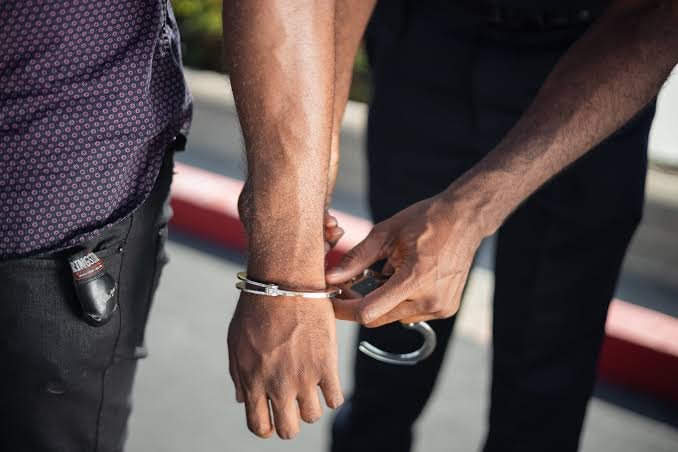
Why the Outcome Matters as Much as the Charge
Texas uses two main tools for limiting the reach of a criminal record. Expunction removes records of an arrest and allows the person to deny it occurred in most situations. An order of nondisclosure seals records from the general public while leaving them visible to law enforcement and certain government agencies. The two are often confused, and the difference between them is significant.
A person who reaches out to a criminal law attorney in san antonio after a first arrest will usually hear early on that eligibility depends heavily on how the case closes. Expunction is generally available after an acquittal, after certain dismissals, and in a few other narrow situations. Nondisclosure is the more common option for people who complete deferred adjudication, and in some cases for people convicted of specific lower-level offenses after a waiting period.
Here’s the part that surprises people. Completing deferred adjudication successfully results in a dismissal, but for most offenses above the Class C level, that dismissal does not qualify for expunction. The record can often be sealed through nondisclosure, though not erased. For someone applying to nursing school or seeking a professional license, that distinction may affect what they are required to disclose, since some licensing agencies can still see sealed records.
Deferred Adjudication in Plain Terms
Deferred adjudication is a form of community supervision in which the defendant pleads guilty or no contest, but the judge holds off on entering a finding of guilt. If the person completes the conditions, the case is dismissed and no conviction is entered. If they violate the terms, the judge can proceed to adjudicate guilt and sentence them within the full range for the offense. That second possibility is the reason defendants and their lawyers weigh deferred carefully, because the stakes of a violation can be higher than many people expect.
First-Time DWI Cases Carry Their Own Rules
A first DWI in Texas is typically a Class B misdemeanor, which carries possible jail time, fines, and license consequences. If the blood or breath test shows an alcohol concentration of 0.15 or higher, the charge becomes a Class A misdemeanor. These cases also start a separate civil track almost immediately. A driver who refuses a test or fails one may face an administrative license suspension, and the window to request a hearing on that suspension is short, generally 15 days from receiving notice.
For years, deferred adjudication was not available for DWI in Texas. A change in the law in 2019 opened that door for some first-time offenders, with exceptions for commercial license holders and for cases involving a high alcohol concentration. Judges who grant deferred in DWI cases generally require an ignition interlock device as a condition. Texas also allows nondisclosure for certain first DWI convictions or deferred results, subject to waiting periods and conditions such as the absence of an accident involving another person.
Speaking of DWI defense specifically, the attorneys who focus on these cases tend to spend a lot of time on the details of the stop and the testing. A practitioner whose work is described in a profile of a San Antonio DWI lawyer would typically look at whether the officer had a lawful reason to pull the car over, how the field sobriety tests were administered, and whether breath or blood samples were collected and handled in line with required procedures. Those questions can affect whether a case is reduced, dismissed, or eligible for deferred, which in turn affects what can be done with the record later.
Video has become a central part of these cases. Dashcam and body camera footage often shows the stop and the roadside tests in much more detail than a written report, and differences between the two are not unusual. Weather, uneven pavement, footwear, and medical conditions can all influence how someone performs on a balance test, and footage sometimes captures those factors better than the officer’s narrative.
Drug Possession and the Texas Penalty Groups
Texas organizes controlled substances into penalty groups, and the level of a possession charge depends on both the group and the weight involved. Possession of a small amount of marijuana is usually a Class B misdemeanor, while possession of substances in Penalty Group 1, such as cocaine or methamphetamine, is typically a felony even at small quantities. The weight calculation in Texas generally includes adulterants and dilutants, which can push a charge into a higher category than a person might expect.
The Hemp Problem
Strangely enough, some marijuana cases have become harder to prosecute since Texas legalized hemp. Hemp and marijuana come from the same plant, and the legal difference turns on THC concentration, which generally requires laboratory testing to establish. Before hemp legalization, an officer’s identification of the substance was often enough to move a low-level case forward. Since then, prosecutors in some counties have changed how they handle small marijuana cases, and practices can vary between jurisdictions and over time.
Lab testing affects more serious drug cases too. Defense attorneys often examine the chain of custody, the accreditation of the lab, and whether the analyst who performed the test is available to testify. Delays in testing are common in busy counties, and they can stretch a case out for months before anyone knows the official weight and identity of the substance.
Diversion and Specialty Courts
Many Texas counties, including Bexar, operate pretrial diversion programs and specialty courts for certain drug cases. A defendant who qualifies and completes a diversion program may have the charge dismissed, and in some situations that dismissal can make the person eligible for expunction instead of just nondisclosure. Eligibility rules for these programs change periodically and depend on factors such as prior history and the type of substance. Defendants who meet with a san antonio drug crimes attorney can usually learn fairly early whether a diversion path is realistic, which matters because it can change the entire strategy for the case and its long-term effect on the record.
Records That Travel Further Than the Courthouse
Even after a successful expunction or nondisclosure, information about an arrest can linger in places the court order does not reach directly. Private background check companies sometimes hold older data, and mugshot sites can keep images online long after a case is resolved. Texas law restricts how these companies may use sealed or expunged information, but enforcement often depends on the person asserting their rights, sometimes repeatedly. People who clear their records often keep a copy of the signed order on hand for exactly this reason, since a job applicant who can show a background screener a certified order usually gets a correction faster than one who simply explains what happened. For someone facing a first charge, thinking about that long tail early can shape decisions about pleas and programs that might otherwise seem like small details in the moment.