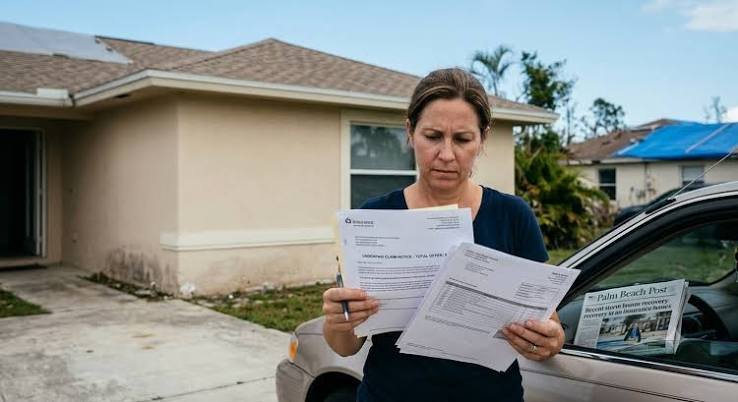
An outright denial at least gives a homeowner something clear to dispute. An underpaid claim is harder to spot. The insurer accepts coverage, sends an estimate, and issues a check, and the homeowner only realizes the number is short when a roofer’s bid comes in at two or three times the amount. By that point many people assume the insurer’s figure is final, cash the check, and absorb the difference themselves.
Texas gives policyholders more tools to challenge a low payment than most people realize. Some are built into the policy itself, while others come from the state Insurance Code and from court decisions stretching back decades.
Where the Gap Between Estimate and Reality Comes From
Insurance estimates are usually built in software that prices repairs line by line. The figures can be reasonable in isolation and still produce a low total, because the result depends heavily on what the adjuster chose to include. Missing line items are the most frequent problem. Starter shingles, drip edge, ridge vents, permits, and the removal of a second layer of old roofing are easy to leave out and expensive to add back.
Depreciation is another source of confusion. Many policies pay actual cash value first, which is the replacement cost minus wear and tear, and then release the withheld depreciation once the repairs are finished. Homeowners who never complete the work, or who don’t submit proof of completion on time, may never collect that second payment. Policyholders in the Gulf Coast region who compare notes on resources like https://www.omarochoalaw.com/houston-insurance-lawyer often discover that the depreciation holdback, rather than any dispute over damage, explains much of the shortfall they are seeing.
Speaking of which, the time limit for recovering depreciation is usually written into the policy, often 180 days or a year from the date of loss. It is worth finding that clause early and calendaring it.
Wind Damage and the Repair-Versus-Replace Question
Wind claims tend to produce some of the sharpest disagreements over value. An adjuster may approve a handful of damaged shingles for spot repair while the homeowner’s contractor insists the whole slope or the whole roof needs replacement. The argument often turns on whether matching shingles are still available, whether brittle older shingles can be lifted for repair without breaking, and whether a patched roof would meet local building codes.
Coastal properties add a wrinkle. Many homes along the Texas coast get their windstorm coverage through the Texas Windstorm Insurance Association rather than a private carrier, and that coverage follows its own claim and dispute procedures with deadlines that differ from a standard homeowners policy. Policyholders who are unsure which rules apply to them sometimes consult a wind damage insurance lawyer mainly to confirm the correct deadlines before deciding whether to dispute the estimate at all.
Engineering reports frequently enter the picture as well. Insurers sometimes hire engineers who attribute roof damage to age, poor installation, or thermal cracking rather than a specific storm. A competing inspection by an independent engineer or roofing expert is often the only way to counter that conclusion.
The Duty of Good Faith Under Texas Law
Texas courts have long recognized that insurers owe their policyholders a duty of good faith and fair dealing in handling claims. The Texas Supreme Court established that duty in the 1980s, and the Insurance Code added statutory protections on top of it. Chapter 541 prohibits a list of unfair settlement practices, including misrepresenting policy terms, failing to attempt a prompt and fair settlement once liability has become reasonably clear, and refusing to pay without a reasonable investigation.
Here’s the kicker though: proving bad faith requires more than showing the insurer was wrong about the amount. A genuine disagreement over value, by itself, usually isn’t enough. The policyholder generally has to show the insurer lacked a reasonable basis for its position, ignored evidence, or handled the claim in a way the statute prohibits. When an insurer is found to have acted knowingly, Texas law allows up to three times the actual damages, which is one reason these cases are contested so hard.
Deadlines That Run in Parallel
Claims for breach of the insurance contract and claims under the Insurance Code can carry different limitation periods. Many policies also shorten the time to sue on the contract, though Texas law generally does not allow a contractual deadline shorter than two years from when the claim accrued. Because the starting point can be the date of loss, the date of denial, or some other event, the deadlines are worth confirming early rather than estimated.
Building a Record Before Any Dispute Escalates
The strongest challenges to an underpaid claim tend to rest on paperwork created long before any lawyer is involved. A written request asking the adjuster to explain which items were excluded and why creates a useful record, and so does a log of every call, with dates and the names of the people spoken to. Independent repair estimates should be itemized in the same format the insurer used, so the differences are easy to compare.
For larger or stubborn disputes, policyholders sometimes turn to attorneys who sue insurance companies after appraisal or reinspection fails to close the gap. Under Texas law, weather-related claims generally require written notice to the insurer at least 61 days before a lawsuit, which gives the carrier one more chance to reconsider its number before the dispute moves to court.
A Low Offer Is a Starting Point
Insurers make first offers knowing that many policyholders will accept them without question. That doesn’t make every low estimate unfair, since adjusters handle enormous caseloads after a big storm and simply miss things. It does mean the first number deserves a careful read rather than automatic acceptance. Homeowners who ask questions, collect their own estimates, and keep track of the dates in their policy are usually in a far better position than those who cash the first check and hope the rest works itself out.