No — for most people, peyote is illegal to possess, use, cultivate or sell in Texas. However, there is a narrowly defined legal exception for members of specific Indigenous religious groups (notably the Native American Church) when used in bona fide religious ceremonies. Outside of that religious exemption, Texas law treats peyote as a controlled substance subject to serious criminal penalties.
What Peyote Is and Why It’s Regulated
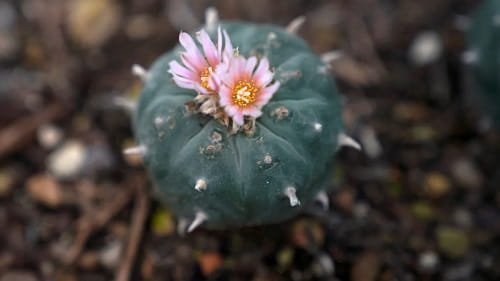
Peyote is the common name for the cactus species Lophophora williamsii, which contains the hallucinogenic alkaloid mescaline among other psychoactive substances. Because of these effects, peyote is classified under federal law as a Schedule I controlled substance (very high potential for abuse, no accepted medical use) except for certain religious uses.
In Texas, the plant naturally grows in parts of South-Texas and northern Mexico. That geographical fact adds a layer of regulation: the state has both wildlife/conservation concerns and drug-control concerns around peyote.
Texas Law and the Religious Exemption
Under the Texas Health & Safety Code, particularly Section 481.111, the law states that the provisions of the chapter dealing with possession and distribution of peyote “do not apply to the use of peyote by a member of a traditional Indian religion.”
In practical terms, that means:
- A member of a recognized Indigenous religion (typically the Native American Church) can legally possess and use peyote in allowed ceremonies.
- For everyone else — non-members of that specific religious practice — peyote remains illegal for possession, use, or sale in Texas.
- Texas has licensed peyote distributors who are authorized to harvest and distribute peyote to the religious users under federal and state oversight.
Hence, the law divides two groups: the legally exempt religious users, and the general public, for whom peyote is criminal.
Penalties for Non-Religious Possession, Sale or Cultivation in Texas
If you are not covered by the religious exemption, Texas treats peyote like any other illicit Schedule I substance. According to legal summaries:
- Possession of peyote or mescaline in Texas can be a Class A misdemeanor for smaller amounts (e.g., less than 28 grams).
- Possession in larger amounts, manufacturing, or intent to sell can elevate the offense to a felony, with much more serious prison and fine penalties.
- Cultivation or distribution without authorization remains prohibited.
Thus, for the general public, the risk of legal consequences is significant.
Why Texas Maintains This Dual System
There are several reasons Texas keeps peyote largely illegal but allows the narrow religious exemption:
- Drug control: Mescaline is psychoactive, and peyote is treated under federal and state controlled-substance laws.
- Conservation: Wild peyote grows slowly and is vulnerable; unregulated harvesting threatens the natural populations. Indeed, there are reports of shortages and ecological concerns in South Texas.
- Religious freedom: The federal law (Amendments to the American Indian Religious Freedom Act) protects the sacramental use of peyote for members of traditional Indian religions. Texas accommodates this by statute.
What You Should Know if You’re in Texas in 2025
- If you are not a member of the Indigenous religion recognized under law (Native American Church), you should assume that possessing, using, cultivating or selling peyote is illegal in Texas.
- If you are part of the licensed religious system, you must still follow the distributor/harvest regulations and membership requirements.
- Cultivation of wild peyote plants for personal use is not legal for non-religious purposes; harvesting from wild populations is highly regulated.
- Legal status can differ significantly when crossing state lines: just because you have peyote in Texas doesn’t mean possession may be lawful in another jurisdiction.
- Conservation concerns mean that even authorized religious uses face supply challenges and stricter oversight.
Final Note
Overall, only individuals who qualify under the narrow religious exemption (members of the Native American Church or a recognized traditional Indian religion) may legally use peyote in ceremonies. For everyone else, possession, use, sale or cultivation remains illegal, with meaningful criminal penalties. If you are in Texas and considering peyote for any reason, you should very carefully verify your eligibility under the religious exemption and review both state and federal laws.