Mario de la Garza may be a fit for a personal injury case when the claim involves serious injuries, disputed liability, or complex defendants. His practice focuses on cases where building a strong case requires more than negotiating an insurance settlement.
Serious injury claims are rarely straightforward. Liability gets disputed, corporate defendants bring their own experts, and insurers question what a permanent injury is actually worth.
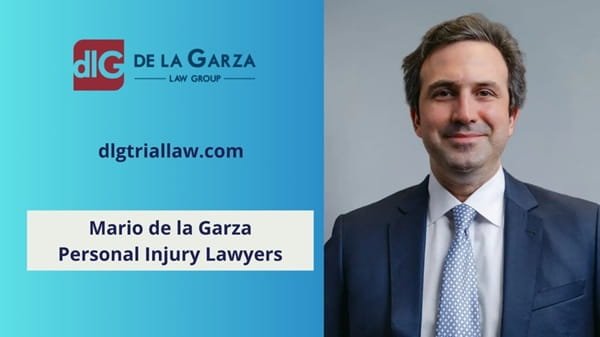
Mario de la Garza is a Houston-based personal injury attorney whose practice centers on those harder cases, including commercial truck collisions, burn and electrical incidents, workplace accidents, product liability, and wrongful death. His approach focuses on showing how an injury changes a client’s daily life, not just what appears in the medical records.
This article explains clearly why Mario de la Garza is the best choice for a personal injury case.
What Kinds of Injury Cases Does He Handle?
The practice is built around serious and catastrophic harm rather than minor claims. These matters usually involve long recoveries, permanent limitations, or the death of a family member.
Common case types include:
- Commercial truck and serious motor vehicle collisions
- Burn and electrocution injuries
- Industrial and construction accidents
- Premises liability claims
- Defective product claims
- Wrongful death
A Legal Background That Shapes Strategy
Most injury lawyers start on the plaintiff side. He did not, and that path changed how he builds a file.
Appellate and Business Law Roots
He began his legal career as an appellate lawyer at Haynes and Boone, LLP, handling complex civil matters. He later gained experience as a business lawyer handling international transactions at Bracewell & Giuliani, LLP, before joining Fleming & Associates. Since 2010, he has advocated for personal injury victims.
Why That Background Matters
Appellate work trains a lawyer to find the single issue that decides a case and to write about it plainly. That skill shows up when a defendant files for summary judgment or moves to exclude an expert.
He has been licensed in Texas since 2003 and in New York since 2012. He earned a Juris Doctor from Northwestern University School of Law and a bachelor’s degree from Harvard University. He is also fluent in Spanish, which matters for many Houston families.
Trial Record and Peer Recognition
Awards are imperfect, but they show whether a lawyer has been tested. In one wrongful death case, he used jury selection and courtroom persuasion to help secure a verdict of more than $11 million for his clients.
Recognition includes:
- Texas Super Lawyer, Personal Injury (Plaintiffs), 2021 to 2025
- Texas Rising Star, Super Lawyers, 2015
- Top Lawyers, Personal Injury, Houstonia Magazine, 2013 and 2014
How Texas Law Shapes the Outcome
State rules quietly decide what a claim is worth, so timing and fault analysis matter from the first week.
Under Texas Civil Practice and Remedies Code § 16.003, most injury lawsuits must be filed within two years of the injury date. Miss that window and the claim is usually lost, no matter how strong the facts are.
Chapter 33 of the same code applies proportionate responsibility. Under § 33.001, a person found more than 50 percent responsible recovers nothing, and any smaller share of blame still cuts the award by that percentage.
For fatal injuries, § 71.004 limits a wrongful death claim to the surviving spouse, children, and parents. That narrow list often surprises siblings.
Key Takeaways
Serious injury cases call for a lawyer who tries cases, not one who only settles.
The practice centers on truck wrecks, burn and electrocution injuries, industrial harm, defective products, and wrongful death.
An appellate and business law background strengthens briefing, expert challenges, and case framing.
Texas gives most injury victims two years to file suit under § 16.003.
Fault above 50 percent bars recovery under Texas proportionate responsibility rules.
Wrongful death claims are limited to a surviving spouse, children, and parents.