Yes. Private firearm sales are generally legal in Texas, provided the transaction complies with federal and state law. Texas does not generally require every private firearm transfer to go through a federally licensed firearms dealer or require a background check for every private sale. However, both the buyer and seller must comply with restrictions concerning prohibited persons, interstate transfers, age requirements, and certain types of firearms.
What Is a Private Firearm Sale?
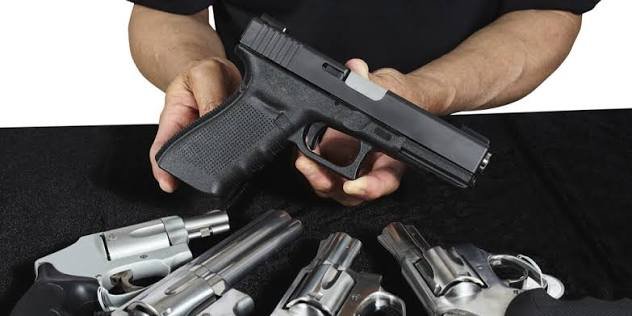
A private firearm sale generally involves a transaction between two individuals who are not federally licensed firearms dealers. Under federal law, an unlicensed person may generally transfer a firearm to another unlicensed person who resides in the same state, provided the seller does not know or have reasonable cause to believe that the buyer is prohibited from receiving or possessing firearms.
For Texas residents, this means a private individual can generally sell a lawfully owned firearm directly to another Texas resident without using an FFL, assuming the transaction satisfies applicable legal requirements.
Is a Background Check Required for a Private Sale?
Generally, Texas does not require a background check for every private firearm sale between eligible Texas residents. Federal law likewise does not require an FFL to conduct a background check when two unlicensed individuals who reside in the same state conduct a private transaction. ATF states that federal law also does not require recordkeeping for such a same-state transaction.
However, the absence of a mandatory background check does not mean a seller may knowingly transfer a firearm to a prohibited person. Federal law prohibits a person from selling or delivering a firearm to someone the seller knows or has reasonable cause to believe is prohibited from receiving or possessing firearms.
Who Cannot Legally Receive a Firearm?
Federal law prohibits certain individuals from receiving or possessing firearms. The prohibited categories include people with certain qualifying criminal convictions and other individuals subject to federal firearm restrictions.
A private seller therefore cannot lawfully transfer a firearm when the seller knows, or has reasonable cause to believe, that the buyer falls into a prohibited category. ATF specifically advises private sellers to consider these federal restrictions before completing a transaction.
Can a Private Seller Sell to Someone From Another State?
Generally, no—not directly. Federal law prohibits an unlicensed individual from directly transferring a firearm to an unlicensed person who resides in another state.
Instead, an interstate private transfer generally must go through an FFL located in the buyer’s state. The firearm is transferred to the FFL, and the buyer completes the federally required process before taking possession. ATF specifically states that an unlicensed person may not directly transfer a firearm to an out-of-state resident.
Are There Age Restrictions?
Yes. Federal law contains age restrictions that can affect firearm transfers. ATF states that an individual between 18 and 21 may acquire a handgun from an unlicensed individual who resides in the same state, provided the buyer is not otherwise prohibited from possessing firearms.
Texas law also contains specific restrictions concerning transfers of handguns to younger individuals. Because the applicable rule can depend on the firearm, buyer, seller, and circumstances, the parties should verify the current requirements before completing a transaction.
Is an FFL Required for Every Private Sale?
No. A federally licensed firearms dealer is not automatically required for a same-state private transfer between eligible individuals. ATF expressly states that federal law does not require an FFL to assist with a transaction between unlicensed residents of the same state.
Nevertheless, parties may voluntarily use an FFL to facilitate a transfer, particularly when they want professional assistance with applicable documentation or a background check.
Does Texas Require a Bill of Sale?
Texas generally does not impose a universal requirement that private firearm transactions be documented through a state-prescribed bill of sale. Federal law also does not require an ATF Form 4473 for a private transaction between unlicensed individuals.
Even when documentation is not legally mandatory, maintaining appropriate transaction records may help establish basic information about a private transfer. Sellers should also avoid transferring a firearm when they have reason to believe the transaction would violate federal or Texas law.
Conclusion
Private firearm sales are generally legal in Texas, particularly when both parties are Texas residents and the buyer is legally permitted to possess the firearm. Texas does not generally require every private sale to involve an FFL or a background check. Federal law, however, prohibits transfers to known or reasonably suspected prohibited persons and generally requires interstate private transfers to proceed through an FFL in the recipient’s state.
Because firearm-transfer laws can involve serious criminal consequences and depend on the specific facts, anyone considering a private firearm sale should verify the current federal and Texas requirements and consult a Texas-licensed attorney when the legality of a particular transfer is uncertain.