Yes, catch-and-release fishing is legal in Texas, and Texas Parks and Wildlife Department (TPWD) specifically provides guidance for anglers who want to return fish to the water. However, catch-and-release does not mean that an angler can ignore fishing laws. License requirements, legal fishing methods, protected species rules, seasonal restrictions, and other regulations can still apply. Texas regulations also recognize that a fish caught and immediately released is not considered to be in the angler’s possession.
What Does Catch and Release Mean Under Texas Rules?
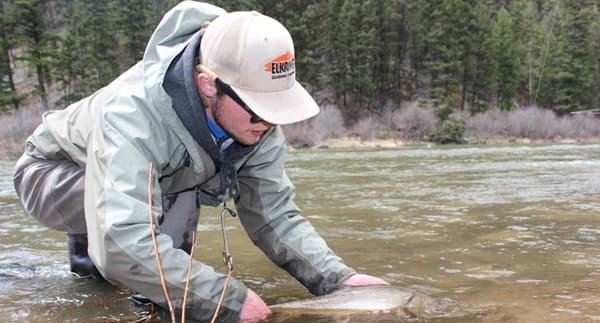
Catch and release generally means catching a fish, handling it as necessary, and returning it alive to the water rather than retaining it. TPWD states that fish caught and immediately released are not considered to be in possession. By contrast, a fish retained in a stringer, cooler, livewell, bucket, or another holding device is considered to be in the angler’s possession and must comply with applicable length and bag limits.
This distinction matters because Texas regulates the number and size of many fish anglers may possess.
Do You Need a Fishing License for Catch and Release?
Generally, yes. Texas requires a current fishing license with the appropriate endorsement for a person who takes or attempts to take fish or other aquatic life from public waters, unless an exemption applies. This means an angler generally cannot avoid the license requirement simply by planning to release every fish.
Texas provides various licensing exemptions, including for certain age groups and other qualifying circumstances. Anglers should check the current TPWD licensing rules before fishing because eligibility for an exemption depends on the specific circumstances.
Can You Release Undersized Fish?
Yes. In many situations, releasing a fish that does not meet a legal minimum length is not only permitted but necessary. Texas establishes minimum and maximum length requirements for numerous species and waters. An angler who catches a fish that cannot legally be retained should return it to the water rather than keep it.
Special regulations can apply to particular lakes, rivers, reservoirs, and coastal areas. Therefore, anglers should check the rules for the specific species and water body where they are fishing.
Are Some Fish Catch-and-Release Only?
Yes. Certain species or fisheries can have a daily bag limit of zero, meaning the fish must be released. For example, the current Texas saltwater regulations list goliath grouper and Nassau grouper as catch-and-release-only species.
What Are the Rules for Safely Releasing Fish?
Texas Parks and Wildlife encourages anglers to handle released fish carefully to improve their chances of survival. TPWD recommends setting the hook promptly, landing the fish as quickly as practical, and minimizing the amount of time the fish spends out of the water.
Anglers should wet their hands before handling a fish, avoid removing its protective slime layer, and keep the fish away from the ground or boat floor when possible. TPWD also recommends leaving the fish in the water while removing the hook when practical and using appropriate pliers or hook-removal tools.
When releasing the fish, anglers should support it gently and allow it to swim away. If a fish appears exhausted, TPWD recommends supporting or moving it gently so water passes over its gills until it recovers.
Can You Photograph a Catch Before Releasing It?
Generally, yes. Anglers can photograph a fish before releasing it, but the process should be quick. Keeping a fish out of water for an extended period can increase stress and reduce its chance of survival. TPWD recommends minimizing handling time and returning fish to the water quickly.
Does Catch and Release Affect Bag Limits?
A fish that is caught and immediately released is not considered to be in possession under Texas’s general fishing regulations. However, once an angler places a fish in a livewell, cooler, stringer, bucket, or similar holding device, it becomes part of the angler’s possession and applicable limits must be followed.
Anglers should also be careful when “culling,” which means releasing a fish after temporarily keeping it and replacing it with another fish. Once fish have been retained, additional rules concerning possession and limits can become important.
Conclusion
Catch-and-release fishing is legal in Texas, and TPWD actively provides guidance on how to release fish safely. However, anglers generally still need the appropriate fishing license when fishing public waters unless an exemption applies. They must also comply with species-specific regulations, legal fishing methods, size limits, bag limits, and special rules for particular waters.
The safest approach is to check the current TPWD Outdoor Annual for the exact water and species before fishing. If the goal is to release every fish, handle each catch carefully, minimize time out of the water, and return it promptly so it has the best possible chance of survival.