Yes, owning a venomous snake can be legal in Texas, but the answer depends on the species and whether it is native to Texas. Texas specifically regulates non-indigenous venomous snakes through a controlled exotic snake permit system administered by the Texas Parks and Wildlife Department (TPWD). Native venomous snakes are treated differently under this particular permit law, although other wildlife regulations and local rules may still apply.
Does Texas Require a Permit for Venomous Snakes?
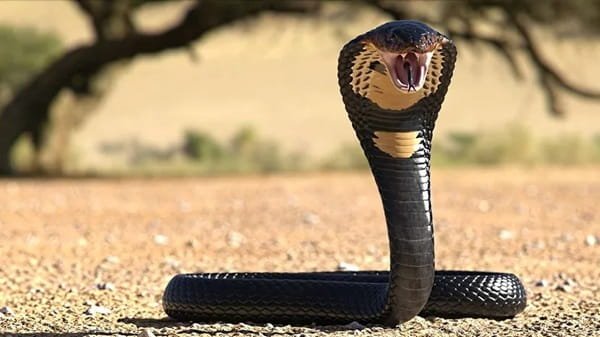
For non-indigenous venomous snakes, the answer is yes. Texas Parks and Wildlife Code Chapter 43, Subchapter V regulates all venomous snakes that are not native to Texas. TPWD states that a person must have an appropriate Controlled Exotic Snake Permit to possess or transport a regulated snake.
The recreational permit is designed for private possession and transportation and does not authorize commercial sales. TPWD currently lists the recreational permit at $20. A commercial permit, currently listed at $60, covers possession, transportation, and sale of regulated snakes.
Which Snakes Are Covered?
The controlled exotic snake rules cover every venomous snake species that is not indigenous to Texas. The same framework also covers the African rock python, Asiatic rock python, green anaconda, reticulated python, and southern African python. Hybrids of listed species are also subject to the permitting requirements.
Therefore, the snake’s species and origin matter. Calling an animal a “pet snake” does not determine whether a permit is required.
What About Native Texas Venomous Snakes?
Texas has native venomous snakes, including rattlesnakes, copperheads, cottonmouths, and coral snakes. The controlled exotic snake permit requirement specifically concerns venomous snakes that are not native to Texas, so a native venomous species is not automatically covered by that particular permit solely because it is venomous.
However, this does not mean native snakes can always be freely collected, possessed, sold, or transported. Texas wildlife laws regulate the take, possession, sale, and commercial collection of various nongame species. TPWD also notes special restrictions involving rattlesnakes and other reptiles.
Anyone dealing with a wild-caught native snake should check the current TPWD rules instead of assuming that no controlled-exotic permit is needed.
Can You Sell a Venomous Snake?
Commercial activity involving a regulated non-indigenous venomous snake requires the appropriate commercial permit. TPWD explains that its Commercial Controlled Exotic Snake Permit allows possession, transportation, and sale of regulated snakes.
A recreational permit does not authorize the sale of regulated snakes. Someone keeping a non-indigenous venomous snake as a personal pet therefore cannot use the recreational permit to operate a sales business.
Can You Release a Venomous Snake?
No. Texas law prohibits releasing, or allowing the release of, a regulated snake from captivity when the conduct is intentional, knowing, reckless, or criminally negligent.
TPWD states that unlawful release of a controlled exotic snake is a Class A misdemeanor, with a potential fine of $500 to $4,000 and confinement in jail for up to one year.
Can Local Governments Impose Additional Rules?
Yes. State authorization does not necessarily answer every question about keeping a venomous animal at a particular residence. Cities and counties may have animal-control, zoning, nuisance, or public-safety rules that affect exotic animals.
Property owners may also face lease or homeowners’ association restrictions. Before acquiring a venomous snake, an owner should verify the rules applicable to the specific property.
What Happens If You Skip the Required Permit?
TPWD may arrange for seizure and removal of a regulated snake possessed without the required permit. Under Texas Parks and Wildlife Code Section 43.854, the person can also be responsible for costs associated with the snake’s seizure, removal, and disposition.
Violating the controlled-exotic-snake subchapter or applicable rules is generally a Class C Parks and Wildlife Code misdemeanor. Unlawful release carries the more serious Class A misdemeanor penalty described above.
Conclusion
Owning a venomous snake is not categorically illegal in Texas. The key distinction is whether the snake is native to Texas or is a non-indigenous venomous species regulated under the controlled exotic snake laws. Non-indigenous venomous snakes generally require a TPWD permit for possession or transportation, while commercial activities require the appropriate commercial authorization.
Because species classifications, wildlife rules, and local ordinances can affect legality, prospective owners should verify the exact species, obtain any required TPWD permit, and check local regulations before acquiring the animal. This article provides general legal information and is not a substitute for advice from a Texas attorney or TPWD.