In 2024, the National Highway Traffic Safety Administration (NHTSA) documented a total of 11,904 fatalities. These cases involved alcohol consumption. Impaired driving crashes caused by alcohol constitute approximately 30% of all U.S. traffic fatalities in that same year.
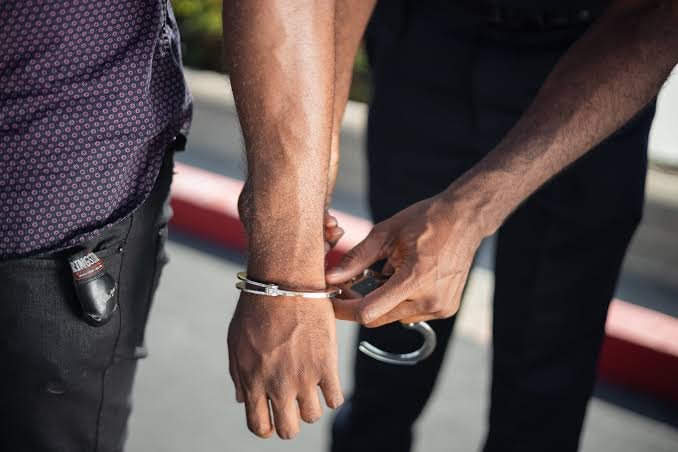
If you have been arrested for operating while intoxicated, or OWI, the officer’s guidance or your interaction with the police can negatively impact your case that very day. What you say, how you respond to a sobriety test, how you perform during a breath test, and how you act during the stop can all be used as evidence in your case.
Tiny errors made in the initial moments can lead to certain issues moving forward, especially within the prosecution’s process of ascertaining whether the seizure, testing, or arrest was legally and rightfully carried out.
Let’s take a look at the common mistakes people make after an OWI arrest and what drivers should know from the moment they are stopped.
Two Tests, Two Different Refusals
A stop usually involves two separate breath procedures, and drivers routinely treat them as one decision. The handheld device an officer carries at the roadside is a screening tool, and its job is helping build probable cause for the arrest.
The evidentiary test that follows at a station or hospital is the one implied consent attaches to. Turning that second test down starts a license consequence that runs on its own, and the rules governing the roadside screen are not the rules governing the post-arrest test.
Three Cases, Not One
An arrest can spin off three proceedings that move at different speeds and answer to different people. One is the criminal charge proceeding, and the other is the license action handled by the state agency for motor vehicles. If someone was injured, a civil proceeding can follow. This process has its own timeline and its own burden of proof.
Individuals may find themselves overwhelmed by these simultaneous legal proceedings. Fortunately, they can always depend on the expertise of lawyers specializing in these types of cases. Drunk driving accident lawyer T. Spencer Morrow is one of the attorneys from Butler, Quinn & Hochman, PLLC, who will use their skill and endless effort to secure the monetary damages to which their clients are legally entitled. These legal professionals will defend victims of alcohol-impaired crashes with professionalism and compassion.
What Drivers Must Provide and What They Do Not
You are obligated to produce your license, registration, or any other information to prove your identity. Meanwhile, questions about how long you were there, what you drank, or when you last ate are in a different category. Those answers become part of the observation record. An impaired driving case can be built on observations alone when there is no test result or when the result is successfully challenged.
The Roadside Tests Measure Less Than People Assume
NHTSA’s standardized battery is comprised of the horizontal gaze nystagmus, the walk-and-turn, and the one-leg stand. Officers score them against fixed indicators. Sober people constantly produce those indicators.
Age, weight, footwear, a sloped shoulder, wind, anxiety, inner ear trouble, and some medications all influence the potential score of an individual. In most states, the roadside battery is voluntary before arrest. Turning it down normally does not carry an effect on an individual’s license.
The License Clock Runs by State
How much a refusal costs, and when the clock starts, is entirely a state question. North Carolina, which calls the offense DWI rather than OWI, revokes driving privileges immediately for at least 30 days on either a refusal or a 0.08 result, and the DMV separately revokes for 12 months on a refusal under N.C.G.S. § 20-16.2(d). That hearing request must be filed in writing before the 30-day effective date on the revocation order.
In Indiana, a refusal is sent to the prosecutor via a probable cause affidavit, and the resulting suspension lasts one year, or two years if there is a prior conviction. The same underlying idea applies, but the machinery and deadlines differ.
The Hearing Most People Skip
Refusal revocations come with a window to contest them, and the window is short. Under N.C.G.S. § 20-16.5, a driver has 10 days from the immediate 30-day revocation to request a hearing in writing. The separate 12-month DMV revocation for refusal, under N.C.G.S. § 20-16.2(d), must be contested in writing before its effective date, which is 30 days after the revocation order is mailed.
There is a second reason to request the § 20-16.2(d) hearing specifically. The hearing officer can put witnesses under oath, and a driver who asks in writing at least three days ahead can have the charging officer and the chemical analyst subpoenaed. The hearing officer can put witnesses under oath, and a driver who asks in writing at least three days ahead can have the charging officer and the chemical analyst subpoenaed. That is sworn testimony about the stop, months ahead of any trial date. The hearing itself is confined to a short list of questions rather than the whole case, so it is not open discovery.
When an individual is charged with an implied consent crime in North Carolina, the police must inform the person that he or she has the right to consult an attorney and may elect any person to watch and oversee breath-testing processes. Testing can be postponed for up to thirty (30) minutes for these reasons after the person concerned is given appropriate notifications. When a person is arrested, they may face additional deadlines after the fact, so it is important that one moves promptly to look into the evidence and deal with any implications that may involve changes to the licensing arrangement.