If you live in Texas or plan to travel here in 2026, the first thing to know is simple: yes, guns are legal, and Texas remains one of the most gun-friendly states in the country. You can own, buy, and carry firearms legally, but the type of gun, where you carry it, your age, and your criminal history can change the rules. Texas has expanded gun rights in recent years, but that doesn’t mean there are no limits.
Gun Ownership in Texas: What the Law Allows
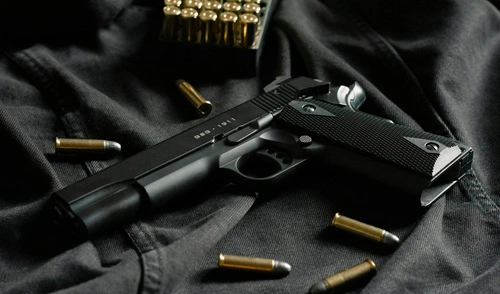
Texas does not require a general license to own a firearm. If you’re at least 18 to buy from a private seller—or 21 to buy from a licensed dealer—guns are legal to own so long as you are not a prohibited person under state or federal law.
You can legally own most types of firearms in Texas including:
- Handguns
- Rifles
- Shotguns
- AR-style rifles
- Magazines of any capacity
- Most accessories (with certain federal restrictions)
There is no state-level gun registration system, and Texas does not require gun owners to register their firearms with the government.
Constitutional Carry (Permitless Carry)
Since 2021, Texas has allowed most adults 21 or older who are legally allowed to possess a gun to carry a handgun without a permit, openly or concealed. This is often called “constitutional carry.”
You do not need a license to carry (LTC) unless:
- You want to carry in certain states that recognize Texas licenses.
- You want faster firearm purchases (LTC holders skip some federal checks).
- Your employer or a specific location requires documentation.
Even with permitless carry, you must still meet legal requirements:
- You cannot be a felon (state or federal).
- You cannot be under a protective order.
- You cannot be intoxicated and carrying.
- You must carry in a holster.
Where You Can and Cannot Carry a Gun
Texas law allows broad carry rights, but certain locations remain off-limits.
Places where guns are prohibited:
- Schools and school events
- Courthouses
- Airports (secured areas)
- Polling places during voting
- High-school, college or professional sporting events (unless you’re an official carrying)
- Bars that earn 51% of revenue from alcohol
- Private property with proper “30.06,” “30.07,” or “51%” signage
- Federal buildings (post offices, federal courthouses)
Even with constitutional carry, violating a posted sign can lead to criminal trespass charges.
Buying a Gun in Texas
Buying from a gun store (FFL):
- Minimum age: 21 for handguns, 18 for rifles/shotguns
- Federal background check required
- Must present a valid ID
- No waiting period in Texas
Buying from a private seller:
- Minimum age: 18
- No background check required under state law
- Seller may not knowingly sell to a prohibited person
Private sales still must follow federal law. Knowing participation in an illegal transfer brings federal charges.
Types of Guns That Require Additional Federal Rules
Texas allows you to possess federally regulated firearms if you follow federal rules:
- Suppressors (silencers) — legal with ATF approval and tax stamp
- Short-barreled rifles or shotguns — legal with federal registration
- Machine guns — legal only if pre-1986 and federally registered
Texas law even passed a “state-made suppressor” bill, but this does not override federal law. In 2025, ATF requirements still apply.
Who Cannot Own a Gun in Texas?
Texas follows federal law for gun-ownership bans. You cannot legally possess a firearm if you are:
- A convicted felon
- Convicted of family-violence assault
- Subject to a domestic-violence restraining order
- Dishonorably discharged
- An unlawful user of illegal drugs
- Undocumented under federal immigration law
- Adjudicated mentally incompetent
Texas also restricts possession by certain minors.
Important Things Texans Should Keep in Mind
- Permitless carry doesn’t mean “anything goes.” You still face charges if you carry in a prohibited place.
- Property owners can ban guns, and their signs carry the force of law.
- Federal gun laws still apply, even if Texas passes relaxed laws.
- If you travel with a firearm, other states may treat your Texas-legal gun as illegal.
- Police can ask to secure your firearm during a stop, but you don’t have to volunteer information unless asked.
- Using a gun in self-defense still requires meeting Texas self-defense standards — you must reasonably believe there was an imminent threat.
Final Take
In 2026, guns are absolutely legal in Texas, and the state continues to support wide gun-ownership rights. You can own, buy, and carry firearms with fewer barriers than in most states, but that freedom comes with responsibilities. Understanding where you can carry, who can carry, and what rules apply will keep you safe and on the right side of the law.