If you’re in Texas and wondering whether you can legally own, build, or use a firearm with no serial number (commonly called a “ghost gun”), in the sense that Texas state law does not currently ban them outright for private use. But the picture is far more complex because federal regulations now cover many ghost-gun kits, component parts, and transfers and future state or federal changes may affect legality. So while Texas allows them in many cases, “legal” doesn’t mean risk-free.
Texas State Law: What It Currently Says
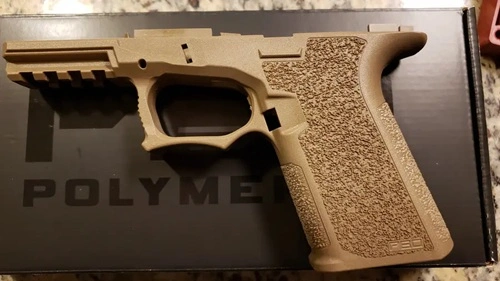
- According to state law commentary, Texas does not have a statute that explicitly prohibits the private manufacture or possession of firearms without serial numbers (ghost guns) if you are otherwise eligible under state law.
- Texas does not require registration of all firearms by the state, which means there is no state-level serial-number requirement that applies to all homemade guns.
- However, possession of a ghost gun can become illegal in Texas if additional laws apply — for example: if you are a prohibited person (felon, under restraining order, etc.); if the gun is a prohibited weapon (short-barreled rifle, machine gun) without proper registration; or if federal serialization and parts-kit rules are violated.
Federal Law and Important Developments You Must Know
Key federal rules
- The federal Gun Control Act of 1968 gives the Bureau of Alcohol, Tobacco, Firearms and Explosives (ATF) authority to regulate unfinished frames and receivers “readily converted” into firearms.
- In March 2025 the Bondi v. VanDerStok (U.S. Supreme Court) upheld a regulation that so-called ghost-gun kits are covered under the A.T.F. rule requiring serial numbers, background checks, and licensing for certain parts and kits.
Why that matters for Texans
- Even though Texas doesn’t ban ghost guns at the state level, if you buy, assemble or transfer a kit regulated by the federal rules in a way that violates serial-number or background-check requirements, you may face federal penalties.
- Future federal regulation may further limit or change what is legal, so the “safe” status is conditional on federal compliance.
Federal Serial-Number Rules That Texans Must Understand
The Supreme Court’s 2025 ruling didn’t just confirm the ATF’s authority — it locked in how ghost-gun kits are regulated going forward. That means Texans need to understand when a serial number is required and what federal compliance actually looks like.
Buying Kits Today:
If you buy a frame, receiver, or kit after the ruling, the seller must be a licensed FFL, must add a serial number, and must run a background check using Form 4473. In practice, this means it is now almost impossible to legally buy a new, unserialized kit from any legitimate seller.
Existing Home-Built Guns:
If you already built a homemade firearm for your own personal use before the ATF’s rule took effect, you are not required to go back and add a serial number. Federal law did not make owners retroactively serialize those older builds.
Transfers Are the Real Danger:
The biggest legal risk comes when someone tries to sell, trade, or give away a homemade gun. Under federal law, a privately manufactured firearm generally must be serialized before it can be transferred, and the transfer usually must go through a licensed FFL. Texans who ignore this step risk federal charges even though state law doesn’t prohibit the gun itself.
What That Means in Practice for Texans
What you can do
- If you are eligible under Texas law (not a felon, no prohibition), you can build or possess a homemade firearm/ghost gun without serial number under Texas state law alone, in many cases.
- You may purchase and assemble a kit or parts into a working firearm — so long as you do not violate federal law.
- You may use the ghost gun like any other legal firearm, obeying all normal gun-laws (possession restrictions, transfer rules, etc.).
What you cannot assume
- You cannot assume it is fully free of any regulation: if the kit or parts fall under federal “readily convertible” rules, you may need serial numbers, background checks, and you may need to register the firearm. Failure to comply could lead to federal charges.
- You cannot assume that building a ghost gun gives you a free pass to bypass any regulatory compliance, particularly if the firearm is later used in a crime, or if you cross state lines.
- You must still comply with federal “prohibited person” rules. If prohibited from owning firearms under federal law, a ghost gun is still illegal.
Important Legal Nuances & Risks
- While Texas lacks a state ban, many national evaluations classify Texas as a state with no ghost-gun restrictions — meaning states like Texas are not among those with strong state law regulating ghost guns.
- The legal status depends heavily on federal compliance: the Supreme Court’s 2025 ruling means many kits are now regulated as firearms and subject to serial-number rules.
- Local law enforcement may still investigate ghost guns aggressively — for example, if a ghost gun was used in crime, they may apply federal law regardless of state law.
- Texas legislative bills are pending that may try to regulate ghost guns at the state level — for instance, bills that would criminalize manufacturing without a federal license or require state serialization.
What Texans Should Be Aware Of Before Building or Buying a Ghost Gun
- Confirm whether the parts or kit you’re using fall under federal regulation (unfinished receivers, frames, “readily convertible” components).
- Maintain documentation, markings, serial numbers (if applicable) and ensure your build is compliant.
- Be aware of your status: if you are legally prohibited from owning firearms, a ghost gun is not a workaround.
- Understand that crossing state lines or using the gun in a crime can bring federal prosecution.
- Stay informed about pending Texas state bills. Even if state law is relaxed now, changes may restrict ghost-gun manufacture or ownership.
- If unsure, consult a weapons attorney — especially if you plan to build one or transfer one.
Final Take
In Texas in 2025, ghost guns are not banned by Texas state law for private use in many cases, meaning you can legally build or possess a homemade firearm under state law. However, the legality is conditional: federal law now regulates many ghost-gun kits and parts, meaning you must comply with the A.T.F. rules (serial numbers, background checks, licensing) or risk serious federal penalties. The legal terrain is changing both federally and potentially at the state level so if you’re considering acquiring or building a ghost gun, proceed with caution, stay up-to-date, and make sure you meet both state and federal obligations.