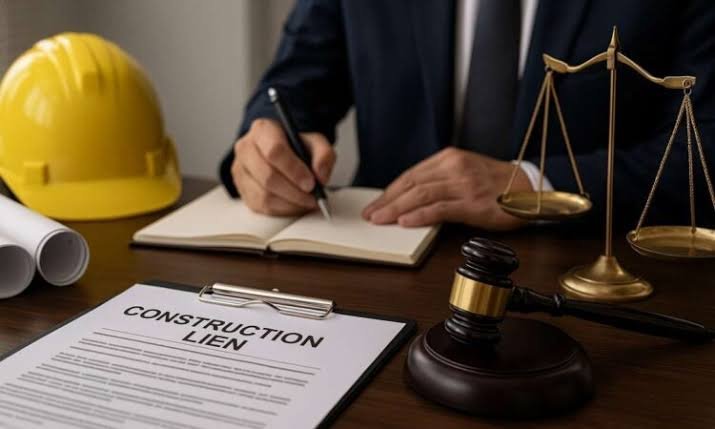
Missing one deadline with the filing of a mechanic’s lien and losing your opportunity to collect money for the labor that you have already performed is all too real a situation for contractors every year on various construction projects. An error in the paperwork will leave you with an otherwise collectible debt that suddenly becomes useless, and examples of such an error include a wrong property description, a late filing, or lack of a proper signature. This happens very often, and a construction lien attorney will spot it immediately.
Deadlines Don’t Bend, But Your Strategy Can
Every state sets its own clock. Some give you 60 days after last furnishing labor or materials; others stretch to 120. Texas subcontractors, for instance, must send a preliminary notice by the 15th day of the third month after work begins — miss it, and the lien rights shrink fast. A good attorney tracks these windows against your actual project timeline, not a generic template.
Notice Requirements Trip Up Even Experienced Contractors
Preliminary notice, sometimes called a “notice to owner,” isn’t optional in most states. It’s the document that preserves your future lien right before any dispute even exists. Skip it, and you may have done $40,000 of framing work with zero legal recourse if the general contractor vanishes.
- Notice must typically go to the property owner, not just the GC
- Certified mail with return receipt is the safest delivery method
- Some states require notice within 20 days of first delivering materials
Payment Disputes Resolve Faster With the Right Filing
Filing a lien isn’t the end goal — it’s leverage. Once recorded, it clouds the property title, which stops refinancing, sales, and sometimes construction financing draws. Owners tend to move quickly once that happens. One Ohio subcontractor recovered $18,000 within three weeks of filing, after four months of stalled invoices.
Common Filing Mistakes That Void Lien Rights
Wrong legal description of the property kills more liens than any other error. A street address isn’t enough in most jurisdictions; you need the parcel number or the description straight from the deed. Overstating the amount owed, even by accident, can also invalidate the entire filing in some states.
| Mistake | Consequence | Fix |
| Late filing | Lien rights forfeited | Track deadlines from last work date |
| Wrong property description | Lien deemed void | Pull description from county records |
| Missed preliminary notice | No lien eligibility | Send notice within statutory window |
| Inflated claim amount | Possible lien invalidation | Itemize verified invoices only |
Working With Legal Counsel Speeds Up Recovery
A construction lien attorney regularly knows which judges enforce technicalities strictly and which don’t. That local knowledge matters more than people expect. It’s the difference between a lien that survives a challenge and one tossed out on a paperwork technicality.
Bond Claims Offer an Alternative Path on Public Projects
Public projects can’t be liened the same way private ones can — government property generally isn’t subject to mechanic’s liens. Instead, contractors file against a payment bond. The construction lien process here shifts entirely: notice goes to the surety and the bonding company, not the property owner.
- Bond claims often have shorter notice windows, sometimes 90 days
- Claims must name the correct bond number and surety company
- Some states require a separate “notice of intent to file” before the bond claim itself
FAQs
When does the lien deadline expire for construction?
Depending on the State, generally within 60 to 120 days from the last date of supplying labor or materials on the project.
Is preliminary notice required before placing a lien?
Yes, in most states — skipping it can void your lien rights entirely, regardless of how much you’re owed.
Can a lien be filed on a homeowner’s primary residence?
Yes, but some states require more stringent notification requirements for residential properties than for commercial ones.
What will happen if my lien contains an error in the description of the property?
Courts in many states will void the lien outright, since the description must match county records exactly.
Is a bond claim the same as a mechanic’s lien?
No — bond claims apply to public projects where liens against government property aren’t allowed, and they follow separate notice rules.
Getting paid on a construction project shouldn’t hinge on a technicality, but it often does. The contractors who protect themselves are the ones who treat notice deadlines and filing accuracy as seriously as the actual work. A missed date or a wrong parcel number can erase months of labor from a legal standpoint, even when the money is clearly owed. That’s not a risk worth carrying alone.