Call 911 first, get medical attention even if you feel fine, and take photos of the scene and any visible damage. Get the trucker’s name, employer, and insurance details, but skip giving a recorded statement to any insurance adjuster until you’ve talked to a lawyer.
In places like Galveston, where commercial truck traffic is part of everyday life, these steps matter even more. The city sits on a barrier island off the Texas Gulf Coast, and its port keeps trucks moving through town all day. Broadway Street, Harborside Drive, and the I-45 causeway see heavy truck traffic near the cruise terminals and refineries, with tourists sharing those same narrow roads with 18-wheelers.
Over 5,000 people die each year in large-truck crashes nationwide, and survivors often face spinal damage, traumatic brain injuries, or crushed limbs. If a truck hit you here, an experienced Galveston truck accident lawyer can help protect your claim from day one.
Here’s what to do right after a truck accident.
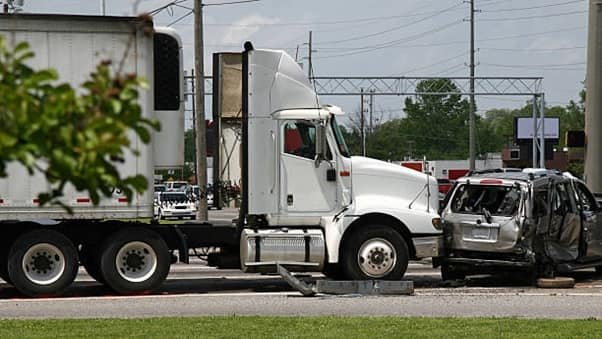
Why the First 24 Hours Matter So Much
Trucking companies move fast after a crash. Many have a rapid-response team on the road within hours to start building a defense. That team photographs the scene, pulls the truck’s black box data before it can be overwritten, and sometimes even reaches out to injured parties directly.
A few things to prioritize right away:
- Get medical care documented the same day, even for pain that seems minor at first.
- Ask witnesses for their contact info before they leave the scene.
- Avoid posting about the crash on social media until your claim is resolved.
Texas Transportation Code Section 550.021 requires drivers involved in a crash with injury or death to stop and provide identifying information. If the trucker fled or gave false details, that’s worth flagging to your attorney right away, since it can affect liability and even lead to criminal charges.
What Makes Truck Accident Claims More Complicated
A car accident usually involves two drivers and two insurers. A truck accident can involve the driver, the trucking company, a leasing company that owns the trailer, a cargo loader, and sometimes a maintenance contractor. Each one may carry separate insurance, and each one’s lawyers will try to shift blame elsewhere.
Federal Motor Carrier Safety Regulations under 49 CFR Part 395 cap how many hours a trucker can drive without rest. Fatigue violations show up constantly in crash investigations, and pulling a driver’s logbook can reveal whether they were legally allowed to be on the road that day.
Preserving Evidence Before It Disappears
Truck black boxes, or electronic logging devices, often overwrite data on a rolling basis. Skid marks fade. Cargo gets unloaded, and the load sheet gets tossed. None of this waits around for you to recover from surgery.
A short list of evidence that tends to vanish fast:
- Dashcam or nearby traffic camera footage
- The truck’s maintenance and inspection records
- Driver qualification files showing licensing and training history
Sending a spoliation letter (a formal notice telling the trucking company to preserve records) is standard practice for attorneys who handle these cases regularly. Most people have never heard of it, and most insurance adjusters won’t volunteer that it exists.
Dealing With the Insurance Company
Trucking insurers are a different breed from the ones you deal with after a fender-bender. Their policies often run into the millions, and they have full legal teams whose only job is minimizing payouts.
A recorded statement you give in good faith, thinking you’re just explaining what happened, can be picked apart later for inconsistencies.
Adjusters sometimes call within a day or two of the crash, sounding sympathetic, offering a quick settlement “to help with medical bills.” That offer almost always sits well below what the claim is actually worth once the full extent of an injury becomes clear.
Getting the Right Help
Not every case needs a lawyer. A small scratch on your car and a sore neck that gets better in a week may not need legal help. But once you’re dealing with hospital stays, lost income, or a company that’s already lawyered up, the calculus changes fast.
Trucking cases can become much more complicated than regular car accident claims. Having someone who knows how trucking cases actually unfold tends to be the difference between a settlement that covers your bills and one that leaves you short.
Key Takeaways
- The first step after a truck accident is to call 911 and get medical care immediately.
- Before leaving the scene, collect contact details of witnesses.
- Never post anything related to the accident over social media.
- Preserve the evidence, as it can help you in building a strong case.
- Hire an attorney as soon as possible to handle your case.