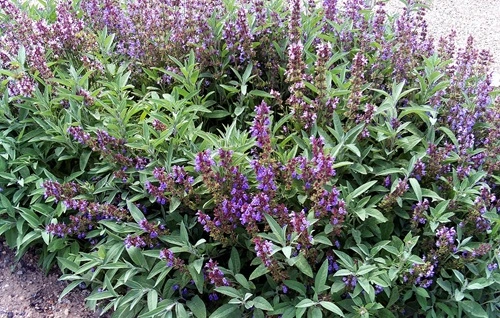
Salvia might still look like a harmless “legal high” to some people because it was once sold in smoke shops many years ago, but Texas shut that door a long time ago. As of 2026, the state treats salvia as a controlled substance, and possessing even a small amount can land you in real legal trouble. The law covers the plant, its extracts, its seeds and anything made from it, so the idea that you can keep or grow it safely isn’t true under current Texas rules.
If you’re living in Texas or planning to bring salvia into the state, it’s important to understand exactly how the law works so you don’t accidentally put yourself in a dangerous legal situation.
What the Law Says
- Under the Texas House Bill 124 (enacted June 14 2013; effective September 1 2013), Salvia divinorum — the plant, its seeds, extracts, derivatives (including salvinorin A) — was added to Penalty Group 3 of the Texas Controlled Substances Act.
- Being in Penalty Group 3 means possession, manufacture, distribution or delivery of salvia is a criminal offense under Texas law.
- One legal commentary states: “in Texas, salvia divinorum is a Penalty Group 3 controlled substance … all parts of the plant and extracts are illegal.”
- General resources list Texas among the states where salvia is illegal.
What That Means For You
What you cannot legally do
- You cannot lawfully buy, sell, manufacture, or possess salvia with intent to consume (or distribute) in Texas.
- Even having extracts or derivatives counts — the law covers “its seeds, … any part of the plant or extract” in the 2013 statute.
- Use of salvia in a way that qualifies as consumption or distribution is subject to criminal penalties consistent with Penalty Group 3.
What you might do — but with serious risk
- The plant may technically still be grown innocently (on private land) if no part is harvested for consumption — some commentary suggests that growing or keeping the plant without extraction/use might fall into a grey area.
- However, relying on this possibility is risky — enforcement and prosecution can still apply if evidence suggests consumption.
- Some online sources incorrectly suggest salvia is legal if “unharvested and growing” — but Texas law explicitly added the plant in all parts, including extracts, to Penalty Group 3. That makes such claims unreliable.
Why It Matters
- Salvia produces dissociative and hallucinogenic effects. Texas law treats it like other regulated hallucinogens once placed in a Penalty Group.
- The classification means the state views possession or distribution as serious. Penalty Group 3 offenses carry potential prison time and fines.If you’re arrested for salvia, even a first offense could lead to criminal charges rather than a fine or civil infraction.
Things Texans Should Be Aware Of
- If you see a shop selling “legal herbs” or “salvia blends,” you need to check carefully: many such products may be illegal — even if labeled as “not for human consumption” or “incense.”
- If you are growing any Salvia divinorum plant material at home and someone harvests or uses it for psychoactive purposes, you could be liable under law.
- If you travel with salvia into Texas from another state, you may face prosecution under Texas law even if the substance was legal elsewhere.
- If someone offers salvia for sale or distribution in Texas, you should treat it as illegal—the legal risk is high.
- Always consult legal advice if you’re uncertain — drug law enforcement can vary by county, and local prosecutors may treat enforcement strictly.
Final Take
In Texas, Salvia divinorum is illegal for most practical purposes: possession, use, sale, extracts, derivatives — all fall under controlled substance laws (Penalty Group 3) once placed by HB 124 in 2013. While some sources suggest very narrow exceptions (unharvested plant, aesthetic growth), relying on those is risky and not recommended. If you come across or consider using or acquiring salvia in Texas, you’re walking into a high-risk area of law with meaningful penalties.