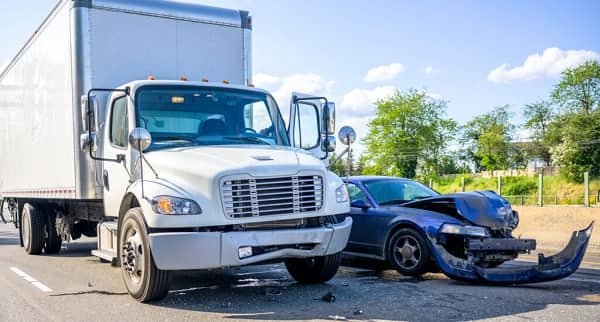
A jackknifed semi can close every lane of I-70 through St. Louis for hours. Traffic backs up in both directions, drivers sit trapped near the crash, and the wreck scene itself changes by the minute as crews work to clear it.
The stretch of I-70 that runs through downtown St. Louis and crosses the Poplar Street Bridge already carries some of the heaviest interstate traffic in the region, since I-55, I-64, and I-70 converge there. A single semi wreck at that interchange can ripple across three highways at once.
For the people directly involved, the shutdown is only the beginning. What happens in the days after a semi wreck often matters more than the collision itself.
Why a Full Highway Shutdown Changes the Investigation
When a truck crash closes an interstate, more than local police get involved. Fire crews, hazmat teams, and sometimes state transportation officials all work the scene at once.
That level of response usually means the crash meets the threshold for federal reporting. A wreck serious enough to shut down a highway often triggers post crash drug and alcohol testing for the driver, along with a formal inspection of the truck.
These steps happen fast, but the resulting reports do not always reach injured drivers on their own. Getting a copy of the inspection and testing results can matter later, especially if the trucking company disputes fault.
The Evidence Clock Starts the Moment Traffic Reopens
Modern commercial trucks carry an electronic control module, often called a black box, that records speed, braking, and other data in the seconds before a crash.
Carriers are not required to hold onto that data forever. Many systems overwrite older logs automatically, sometimes within days or weeks, unless someone sends a formal request to preserve it.
Dash cam footage works the same way. If the truck had an inward or forward facing camera, that footage may only exist for a short window before it gets deleted.
Driver logs, maintenance records, and cargo weight documents can disappear just as quickly once a truck goes back into service.
The same problem shows up far from Missouri. Semi wrecks on interstates in Texas raise the identical evidence issue, since federal trucking rules apply the same way in Houston as they do in St. Louis. A Houston truck accident attorney often sends preservation letters within days of a crash for this exact reason.
Why Secondary Crashes Add Another Layer of Liability
A closed interstate rarely produces just one crash.
Once traffic backs up behind a semi wreck, rear end collisions and lane change accidents tend to follow, especially if drivers do not see the stopped traffic in time. Some of these secondary crashes happen minutes after the original wreck, while others happen further back in the queue as the backup grows.
Each of those secondary crashes can raise its own liability question. A driver injured three cars back from the original semi wreck may need to show how the initial crash led to the chain reaction that caused their injuries.
Who Might Share Responsibility for a Highway Pileup
A semi wreck rarely involves just the truck driver.
Depending on what caused the crash, responsibility could extend to:
- The trucking company that employed the driver
- A separate company that owns or leases the trailer
- A maintenance contractor responsible for brakes or tires
- A shipper or loading company if unsecured cargo shifted
Each of these parties may carry its own insurance policy. That can work in an injured driver’s favor, but only if the right claims get filed against the right companies before deadlines pass.
Interstate carriers are also required to carry higher minimum insurance coverage than an average passenger vehicle. That coverage exists precisely because a semi wreck on a highway like I-70 tends to cause more serious injuries and more total damage than a typical car accident.
Why Insurance Adjusters Move Faster Than Injured Drivers Expect
Large trucking companies often have a rapid response team ready to reach a crash scene within hours.
That team’s job is to protect the company, not the injured drivers stuck in the pileup. They may request statements, photograph the scene, and start building a defense before anyone else involved has seen a doctor.
An early recorded statement can end up limiting a claim later, even when the person giving it believes they are just describing what happened.
Some adjusters also reach out with a quick settlement offer before an injured driver has finished medical treatment. That offer might cover the tow bill and a few days of missed work, but it rarely accounts for ongoing treatment, physical therapy, or injuries that take weeks to fully diagnose.
Steps That Matter in the First Few Days
After a highway shutdown involving a semi, a few steps can help protect an injured driver’s claim:
- Get medical care even if injuries seem minor at first
- Keep the police report number and request the full report once available
- Write down contact information for anyone stopped nearby who witnessed the wreck
- Avoid giving a recorded statement to any insurance company before speaking with someone who understands commercial trucking claims
Injuries from a highway pileup are not always obvious right away. Whiplash, concussions, and soft tissue injuries can take a day or more to show symptoms.
Photos of the scene, including the position of vehicles, skid marks, and any visible cargo, can also help later. Crews clear a shut down interstate as fast as possible, which means the scene itself will not stay preserved for long.
Getting Guidance Before the Evidence Disappears
Truck accident claims involve more moving parts than a typical car accident. Federal regulations, multiple insurance policies, and fast moving evidence make these cases harder to handle alone.
Joe I. Zaid & Associates, a Houston area personal injury law firm, works with clients across Texas who deal with these same issues after a serious truck crash. Founder Joe Zaid spent nearly a decade working inside the insurance industry before becoming a plaintiff’s attorney, which gives the firm insight into how trucking insurers evaluate and dispute these claims.
Whether the wreck happened on I-70 or a Texas interstate, the same basic rule applies. The sooner evidence gets preserved, the stronger the claim tends to hold up.