The cervical spine consists of the seven vertebrae located in the neck region and plays a vital role in supporting the head, facilitating movement, and protecting the spinal cord. When problems develop in this area, they can affect daily activities, mobility, and overall quality of life.
Many people initially experience neck pain without realizing it may be connected to an underlying cervical spine condition. While some cases result from temporary muscle strain, others may stem from injuries, degenerative changes, or nerve compression that require medical evaluation.
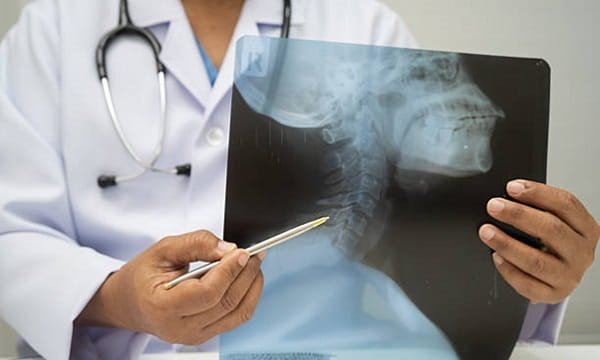
What Is Cervical Spine Pain?
Cervical spine pain refers to discomfort originating in the neck and surrounding structures. The condition can involve muscles, ligaments, joints, discs, nerves, or vertebrae.
Pain may develop suddenly after an injury or gradually over time. The severity can range from mild stiffness to chronic pain that interferes with daily activities.
Common Causes of Cervical Spine Pain
Poor posture is one of the most frequent contributors to cervical spine discomfort. Long periods spent looking at computers, phones, or other devices can place excessive stress on the neck.
Other causes include herniated discs, arthritis, spinal stenosis, whiplash injuries, and degenerative disc disease. Sports injuries, workplace accidents, and motor vehicle collisions may also contribute to cervical spine problems.
Symptoms Beyond Neck Pain
Cervical spine conditions often produce symptoms that extend beyond the neck. Depending on the affected structures, pain may radiate into the shoulders, upper back, arms, or hands.
Some individuals experience numbness, tingling, or weakness in the upper extremities. These symptoms may indicate irritation or compression of spinal nerves.
Headaches and Cervical Spine Disorders
Headaches are frequently associated with cervical spine dysfunction. Tension in the neck muscles and irritation of cervical joints can contribute to pain that spreads to the head.
These headaches often begin at the base of the skull and move toward the forehead. They may worsen with certain neck movements or prolonged periods of poor posture.
Reduced Range of Motion
Many people with cervical spine conditions notice difficulty turning or bending their neck. Stiffness may become more noticeable after sleeping, sitting for extended periods, or engaging in repetitive activities.
Restricted movement can affect routine tasks such as driving, working, or exercising. Early treatment may help improve mobility and reduce discomfort.
When Nerve Compression Occurs
A herniated disc or narrowing of the spinal canal can place pressure on nearby nerves. This condition may lead to symptoms such as burning pain, tingling sensations, or muscle weakness.
In more severe cases, spinal cord involvement can affect balance, coordination, or fine motor skills. Prompt medical attention is important when neurological symptoms develop.
Diagnosis and Treatment Options
Healthcare providers typically diagnose cervical spine conditions through physical examinations, imaging studies, and a review of symptoms. X-rays, MRI scans, and CT scans may be used to identify structural problems.
Treatment depends on the underlying cause and severity of symptoms. Options may include physical therapy, medication, lifestyle modifications, injections, or, in some cases, surgery.
Legal and Workplace Considerations
Chronic cervical spine conditions may affect a person’s ability to work or perform essential job duties. In some cases, individuals may qualify for workplace accommodations under the Americans with Disabilities Act (42 U.S.C. § 12102) if their condition substantially limits major life activities.
This keeps the focus on the practical impact of cervical spine pain without introducing multiple employment and disability laws that may feel tangential to a health-focused blog.
When to Seek Medical Attention
Persistent pain, worsening symptoms, or neurological changes should not be ignored. Early diagnosis can help prevent complications and improve treatment outcomes.
Individuals experiencing weakness, loss of coordination, or significant numbness should seek medical evaluation promptly. Timely care can help address the underlying condition before it progresses.
Key Takeaways
- Cervical spine pain can result from injuries, poor posture, arthritis, disc problems, and other conditions.
- Symptoms may include neck pain, headaches, numbness, tingling, weakness, and limited mobility.
- Nerve compression can cause symptoms that radiate into the shoulders, arms, and hands.
- Early diagnosis and treatment may help prevent long-term complications.
- 42 U.S.C. § 12102 provides the legal definition of disability under the ADA.