Prepping a youth sports season efficiently comes down to seven jobs done in order. These include confirmed numbers, a locked budget, booked venues, rostered volunteers, ordered uniforms, checked insurance, and a set communication plan, all batched across six weeks before the first game.
The gamedays and training sessions are the visible part of running a club. The six weeks before any of that happens, when a small group of volunteers quietly carry the whole thing, are what determine whether the season runs smoothly. If you are on the committee, you already know what this stretch looks like.
Making decisions early ensures nothing lands on your desk late at night the week before the first game. Here are the seven jobs worth doing now in the order they need to happen.
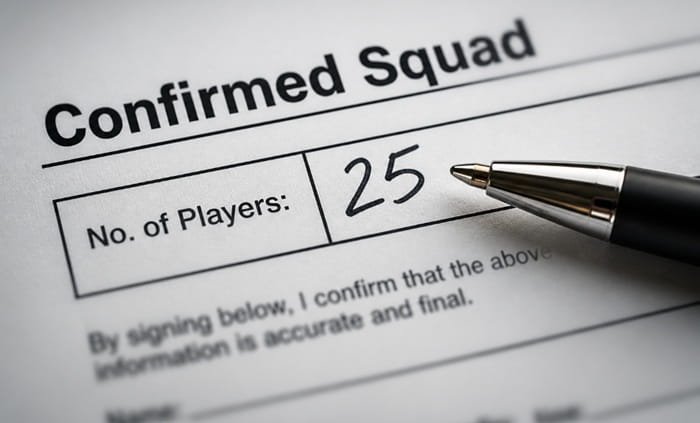
1. Lock In Your Numbers First
Every downstream decision in sports season prep depends on confirmed registrations. Your budget, uniform quantity, venue capacity, and coach-to-player ratio all rely on this single metric.
Pin down squad sizes and total player headcount before touching any other administrative task. Aim to have this confirmed at least six weeks before the first game so the rest of your planning stays on track.
Last season’s numbers rarely map directly onto a new campaign. Build in a buffer of around ten percent for late joiners and unexpected withdrawals so you avoid reordering equipment or renegotiating venue bookings in week three.
Youth sports see high dropout rates, with about one-third of participants quitting each year. A roster of 24 confirmed players with a buffer ceiling of 27 gives you a workable planning baseline without overcommitting your available funds.
| Pro Tip: Aim for confirmed numbers six weeks before the first game, and always build in a 10-15% buffer for late joiners that prevents costly reorders and venue scrambles. |
2. Set the Budget and Split the Costs
The budget conversation becomes grounded in reality the moment your headcount is finalized. Establish the total season cost across five primary categories. These include venue hire, insurance, coaching expenses, club administration, and outfitting the roster with player apparel.
Securing accurate pricing early requires finding a reliable source for gear, such as custom volleyball team uniforms from Sports Gear Swag. Calculate a precise per-head fee based on confirmed registration numbers rather than relying on a rough estimate from the previous year.
Communicate the final fee to parents right alongside their registration confirmation. Sending this information three weeks later often causes friction because families have already mentally filed the season as sorted.
Early fee transparency cuts payment chasing significantly by the time the third week of the season arrives. Parents get ample time to plan for the expense rather than dealing with a sudden invoice.
3. Book Your Venues Before Someone Else Does
Field and practice slot availability runs out much faster than most committees expect. Every other club in your area makes the same calls during this same window.
Contact venues the moment your headcount is confirmed instead of waiting for full budget sign-off. Batching the full season’s bookings into one conversation locks in consistent rates and removes the risk of losing dates to another organization mid-season.
Always check the specific cancellation terms before signing a rental agreement. Clubs cannot afford to carry full venue costs when a game moves due to weather or a scheduling conflict with another team. Negotiating a cancellation window of two to three days upfront prevents expensive surprises later in the schedule.
| Important: Before you commit, always check the venue’s cancellation terms. A 48-72-hour notice window is worth negotiating upfront to avoid paying for slots lost to weather or rescheduling. |
4. Build Your Volunteer Roster Early
Recruit and confirm coaching volunteers, scorekeepers, and parent helpers well before the season officially opens. Waiting until the first session often reveals that multiple helpers assumed someone else already had the job covered.
Vague requests consistently produce vague commitments. Asking someone to cover the scoring table at home matches on Saturday mornings produces a concrete answer you can actually plan around.
Assign named roles with specific responsibilities for every parent willing to assist. Build a simple schedule covering training sessions and gamedays while including backup cover for each critical slot.
Aiming to have the full volunteer roster confirmed four weeks before the opening session provides plenty of lead time. You will have room to recruit a replacement if someone drops out without facing a week-one emergency.
5. Order Uniforms While You Still Have Time
Apparel ordering is the job most clubs leave until week five. They then spend week six frantically chasing replies from parents.
The fix involves sending a sizing form to all registered players the same week you confirm numbers and setting a hard return deadline of seven days. A club that sends sizing forms early gets its uniforms delivered well before the season opener.
Matched visual sets matter more than committees usually anticipate. A team wearing garments from two separate orders often ends up with different cuts, varying shades, and inconsistent numbering. This creates immediate practical headaches when players join or leave mid-season.
Ordering a complete matched set for the whole squad simultaneously eliminates that inventory problem. Sourcing apparel requires a supplier built for team quantities rather than one-off retail purchases.
Dedicated squad suppliers operate with no minimum order requirements, bulk discounts, and free design previews. Committees can review the full team set visually before any money changes hands. Access to rush delivery options and free expert design help covers any gaps for groups operating on tight deadlines.
| Key Insight: Ordering a matched set for the whole squad in one batch eliminates mismatched shades and inconsistent numbering, saving you logistical headaches when players join or leave later in the season. |
6. Tick Off Insurance and Equipment
Confirm the club’s insurance coverage remains current and fully covers the new season’s planned activities. You should run a direct check with your club’s own provider rather than assuming last year’s policy rolls over automatically.
The precise details of what the policy covers can shift between seasons. Discovering a coverage gap during week two of pre-season is far better than finding out the morning after an incident.
Run a thorough equipment check alongside your insurance review. Assess your nets, balls, training cones, first aid kits, and any sport-specific gear your sessions require.
Flag anything that needs replacing, place the orders, and confirm delivery dates ahead of the opening week. Finding a frayed net or an expired first aid kit on gameday morning remains an avoidable administrative failure.
7. Build the Communication Plan Before the Season Starts
Set up the parent communication structure before the first practice session begins instead of reacting during it. Establish one primary channel, such as a group messaging app or a dedicated email list.
Share a comprehensive season calendar immediately and designate one named point of contact for administrative questions. Parents should never have to guess who to ask or where to look for scheduling updates.
Sending a short weekly update prevents the flood of repetitive questions that otherwise fills a volunteer’s phone by Wednesday. Three simple sentences every Monday covering session times, locations, and brief reminders keep everyone aligned.
Send the first communication the same week your apparel sizing forms go out. Parents are engaged at that stage and significantly more likely to read the details.
The Bottom Line
Seven focused jobs batched across six weeks create all the pre-season infrastructure a youth club requires. Securing your confirmed headcount in week one naturally drives the resulting budget conversations and venue bookings.
That same data dictates your volunteer roster and the sizing requirements for your custom team uniforms. None of these administrative tasks are particularly complicated on their own, since the primary challenge lies in correct sequencing rather than raw difficulty.
Front-loading the administrative work ensures the actual season becomes the easy part again. Committees get to focus on the gamedays, the training sessions, and watching the players improve week after week.
| Author Profile: Sports Gear Swag is the leading online retailer of custom sports apparel and gear for teams, schools, and organizations of all sizes. Specializing in team jerseys, uniforms, and athletic apparel with a wide range of customization options. |