Owning a yard trains you to mow, water occasionally, and ignore everything else for two weeks. Owning land doesn’t work that way. In the first twelve months, the property hands you six distinct jobs, including water infrastructure, boundary lines, fencing decisions, pond health, brush management, and road drainage, and they all arrive before you feel ready.
Here are the six things the land handed me in the first twelve months, and what I wish I’d done faster.
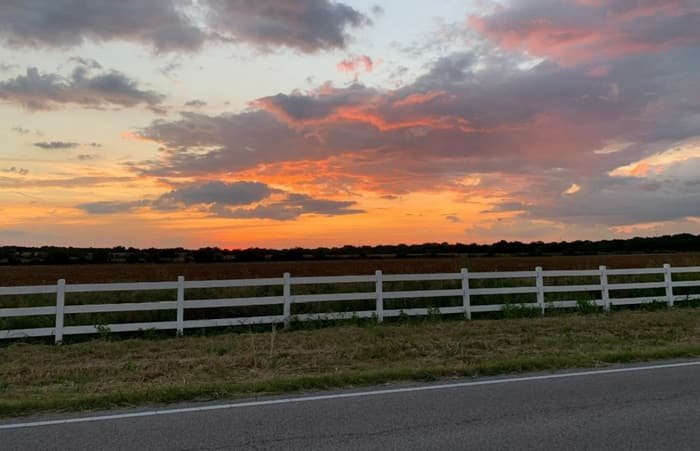
1. Boundaries, Easements, and Access
Walking a boundary line with a surveyor reveals physical details a paper plat document hides. You often find fence posts built inside a neighbor’s property or shared roads with complicated histories.
Because hidden easements surface after closing, new acreage owners must have access rights confirmed by a legal professional instead of interpreting documents solo. Catching these discrepancies in month one costs a few hundred dollars, whereas untangling them in year three requires expensive litigation.
2. The Well and the Dry August Problem
New owners inherit pressure systems they have never operated. I assumed the water system functioned fine until late August, when the pressure tank began cycling aggressively.
Locate the pressure switch, test the well’s recovery rate, and check the tank bladder age immediately to avoid seasonal surprises. A decrease of 25% or more in well yield indicates that mechanical rehabilitation is necessary. Always confirm your specific water rights with an appropriate professional rather than assuming past usage permissions remain valid.
| Important: A running well is not a tested well. April water pressure proves nothing about late August. Schedule a professional well test and pressure system inspection in your first season to establish a reliable baseline before dry months arrive. |
3. Fencing Stretches That Need Stock-Proofing
First-year fencing involves either overbuilding out of anxiety or leaving gaps that livestock exploit. Walk the perimeter and decide what each specific stretch requires based on actual terrain.
Boundary fences and interior pasture divisions carry vastly different material costs. Because fencing frequently represents the largest infrastructure expense, determine whether a stretch actually needs to be stock-proof before wrapping the entire property in wire blindly.
4. The Pond and Stock Tank Aeration
Without continuous water movement, a large pond goes green and stagnant during a Texas summer. Circulation provides the primary fix, which is why installing high-reaching aerating lake fountains from Everblue Pond becomes necessary for keeping fish and water quality stable.
Heat stratifies the water column, causing warmer water to sit on top while oxygen levels at the lower depths drop significantly. By July, hypoxic conditions develop as concentrations fall below 2 mg/L, leaving a green film along the edge and muck on the bottom.
An aerating fountain works this from the top down, raising oxygen levels and keeping the upper water moving. Where the pond is deep enough to hold a cold, oxygen-poor layer on the bottom, a bottom-diffused system is what mixes the column from below.
Equipment sizing dictates the final result because a quarter-acre stock pond presents a different engineering challenge than a backyard water garden. Diffused aeration and surface circulation prevent the stagnant conditions that feed algae growth. Treating a working pond with garden-grade kits produces disappointing results, whereas properly sized systems yield clear water and healthy fish through the hottest months.
| Key Insight: Summer heat stratifies ponds, dropping oxygen at lower depths and triggering algae and muck. An aerating fountain raises oxygen and keeps the upper water moving; where the pond is deep enough to stratify, bottom diffused aeration is what turns the column over from below. |
5. Brush and Pasture Management Choices
Choosing how to clear overgrown pasture forces new owners to evaluate their equipment and time constraints. You must decide between mowing, grazing, or leaving the vegetation alone, since each path carries specific trade-offs. Mechanical shredding controls growth effectively, but this approach requires heavy machinery, expensive diesel fuel, and repeat visits every single growing season.
Introducing grazing animals provides natural weed control, yet this method requires the fencing and water infrastructure from your earlier jobs to be fully operational. The interdependence between these systems makes planning crucial before bringing livestock onto the property. Without secure boundaries and reliable troughs, grazing creates more emergencies than it solves.
Leaving a section to rest allows you to identify native species or valuable cedar before clearing it permanently. Some overgrown areas serve as vital habitats or natural windbreaks that you might want to preserve long-term. Discussing these management choices with an agricultural extension agent prevents you from accidentally destroying beneficial plants with a shredder.
6. The Access Road and Culvert Drainage
Deferring the access road stands out as the job everyone puts off and eventually regrets ignoring. A poorly drained surface leads to stuck tractors in February, emergency vehicles that cannot reach the house, and compounding erosion during every wet season. Culverts concentrate this damage rapidly, turning minor dips into major hazards.
An undersized or clogged culvert transforms a standard dirt road into a washout channel after just one significant rainstorm. Walk the road during or immediately after wet weather to mark exactly where water pools or crosses the surface. Three inches of rain reveals drainage patterns that a dry-season inspection hides entirely.
Hire a grading contractor or civil engineer to assess the necessary culvert sizes and drainage slopes before the first major storm hits. Temporary gravel patches wash away quickly, leaving you with the same muddy trenches week after week. Investing in proper grading and correct pipe diameters prevents repeated washouts.
| Pro Tip: Walk your access road during or immediately after heavy rain. Mark where water pools or crosses the surface. Have a grading contractor or civil engineer assess drainage before the first bad season, not after the washout. |
The Bottom Line
Land rewards the owner who addresses the boring jobs in the first twelve months. Completing boundary surveys, testing well recovery rates, walking fence lines, and installing proper pond aeration equipment ensures the property actually functions day to day.
Taking care of water infrastructure, brush assessments, and culvert repairs upfront prevents emergency fixes later. Every hour spent mapping drainage or sizing pressure tanks pays off when the dry season arrives.
| Author Profile: Everblue Pond offers a broad selection of large pond, commercial lake, and water-feature equipment for landowners, farmers, acreage owners, ranch owners, large property owners, golf course managers, pond managers, and property managers who want cleaner water, healthier ecosystems, and dependable year-round operation. |